
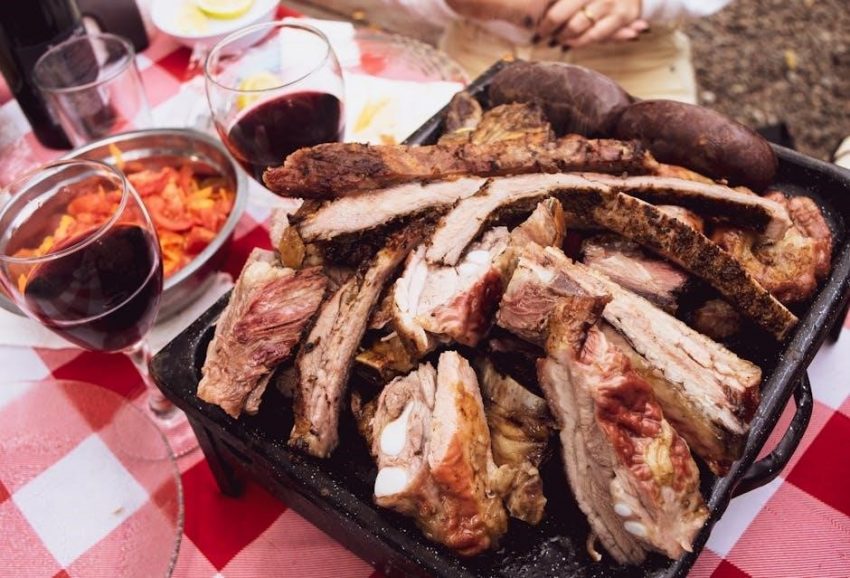
Rib Crib Nutrition Guide: An Overview
Navigating Rib Crib’s menu requires understanding nutritional aspects; this guide details macronutrient breakdowns, specific item facts, and strategies for healthier choices while dining.
Understanding Rib Crib’s Menu
Rib Crib’s menu centers around barbecue staples – ribs, chicken, and pulled pork – alongside classic sides like coleslaw, fries, and mac & cheese. However, portion sizes are notably generous, significantly impacting the overall caloric and macronutrient content of meals.
The menu doesn’t prominently display detailed nutritional information, requiring diners to seek it out online or through Rib Crib’s resources. Understanding the preparation methods is also crucial; items are often coated in sauces and seasonings containing added sugars and sodium.
Successfully navigating the menu involves recognizing potential pitfalls and making informed decisions about combinations and portion control to align with individual dietary goals. A proactive approach to understanding the menu’s composition is key.
Macronutrient Breakdown at Rib Crib
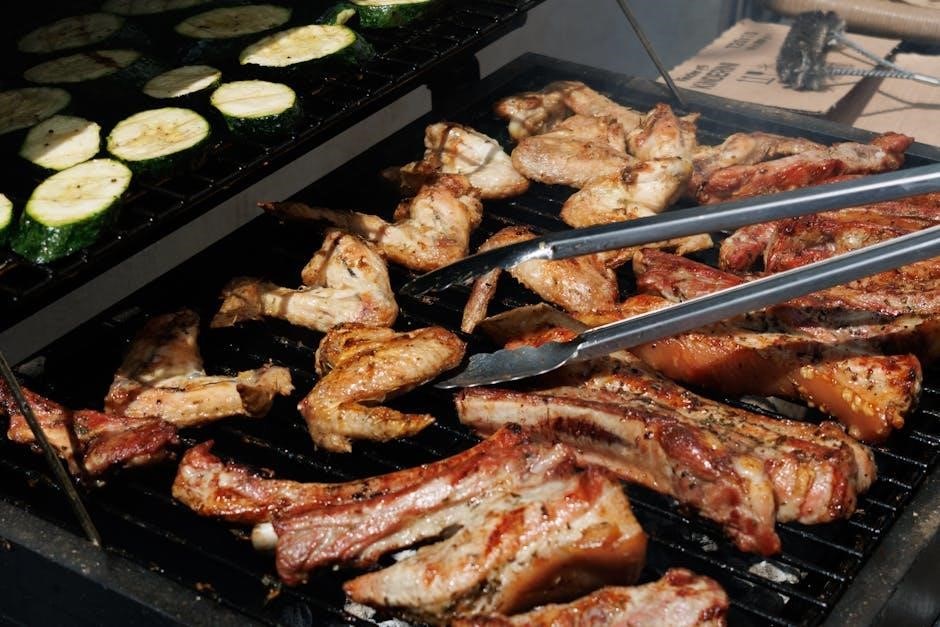
Rib Crib’s meals are typically high in protein and fat, with moderate to high carbohydrate levels, largely influenced by sauces and side dish selections.
Protein Content in Rib Crib Meals
Rib Crib’s core offerings – ribs, chicken, and pulled pork/beef – are substantial sources of protein, crucial for muscle maintenance and satiety. A full slab of ribs can deliver upwards of 70-80 grams of protein, making it a significant contribution to daily needs. Chicken, particularly the smoked or grilled varieties, provides a leaner protein option, generally ranging from 40-60 grams per serving depending on portion size and preparation method.
Pulled pork and beef also contribute considerable protein, though fat content varies. Even side dishes like baked beans contain a modest amount of protein. However, it’s important to balance these protein-rich choices with mindful portion control and consideration of accompanying carbohydrates and fats to achieve a well-rounded nutritional profile. Understanding these protein levels allows for informed meal planning.
Carbohydrate Levels in Rib Crib Dishes
Carbohydrate intake at Rib Crib primarily stems from side dishes and sauces, rather than the meats themselves. Cole slaw, baked beans, and especially mac & cheese contribute significant carbohydrate counts. French fries, a common accompaniment, are also carbohydrate-dense. Rib Crib’s barbeque sauces, while flavorful, contain added sugars that elevate the overall carbohydrate content of meals.
The meats – ribs, chicken, and pulled pork/beef – are relatively low in carbohydrates unless heavily sauced. Green beans offer a lower-carbohydrate side option. Being mindful of sauce portions and opting for sides like green beans can help manage carbohydrate consumption. Careful consideration of these factors is key for individuals monitoring their carbohydrate intake.
Fat Content and Types of Fats
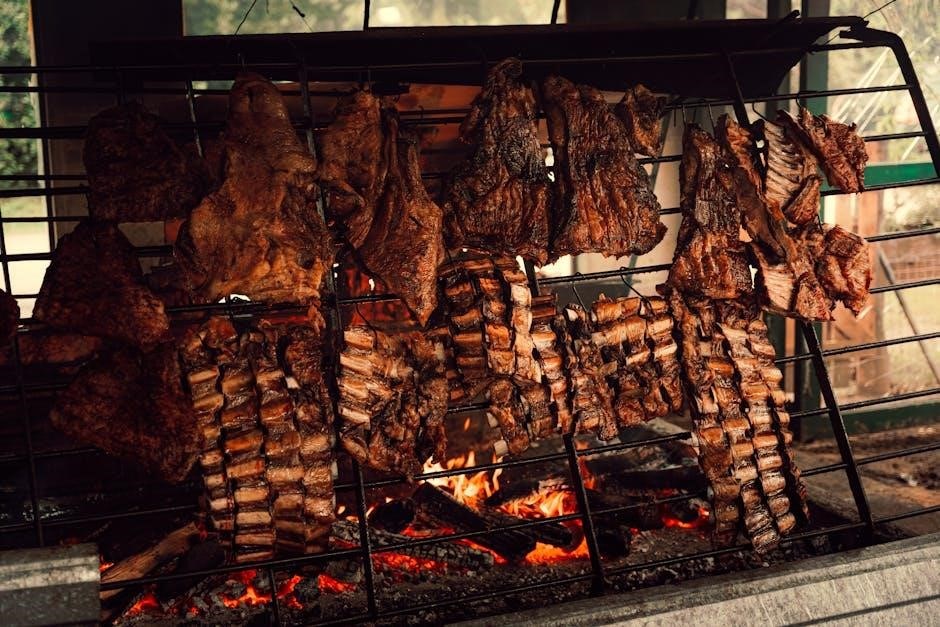
Rib Crib’s menu features dishes naturally higher in fat due to the nature of barbeque. Ribs, particularly, contain substantial fat content, both visible marbling and rendered fat during cooking. Chicken, depending on the preparation method (fried versus grilled), varies significantly in fat levels. Pulled pork and beef also contribute considerable fat, though portion size impacts the overall intake.
The types of fats present include saturated and unsaturated fats. Saturated fats are prevalent in the meats, while barbeque sauces may contain added oils. Sides like mac & cheese and fried options contribute additional fats. Moderation and mindful selection of leaner protein choices, alongside smaller portions of higher-fat sides, are crucial for managing fat consumption.
Rib Crib Menu Item Specifics
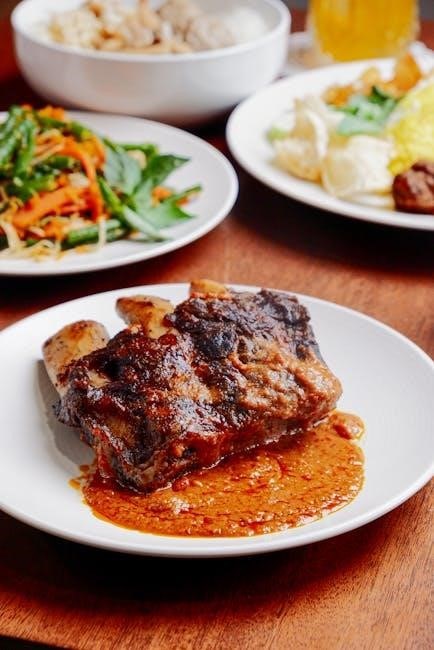
Detailed nutritional breakdowns for key Rib Crib offerings – ribs, chicken, pulled pork, beef, and various side dishes – are essential for informed dining choices.
Nutrition Facts: Ribs (Full & Half Slab)
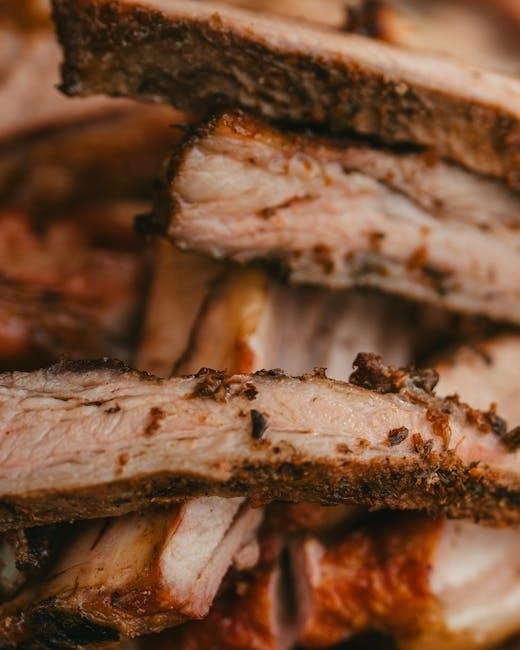
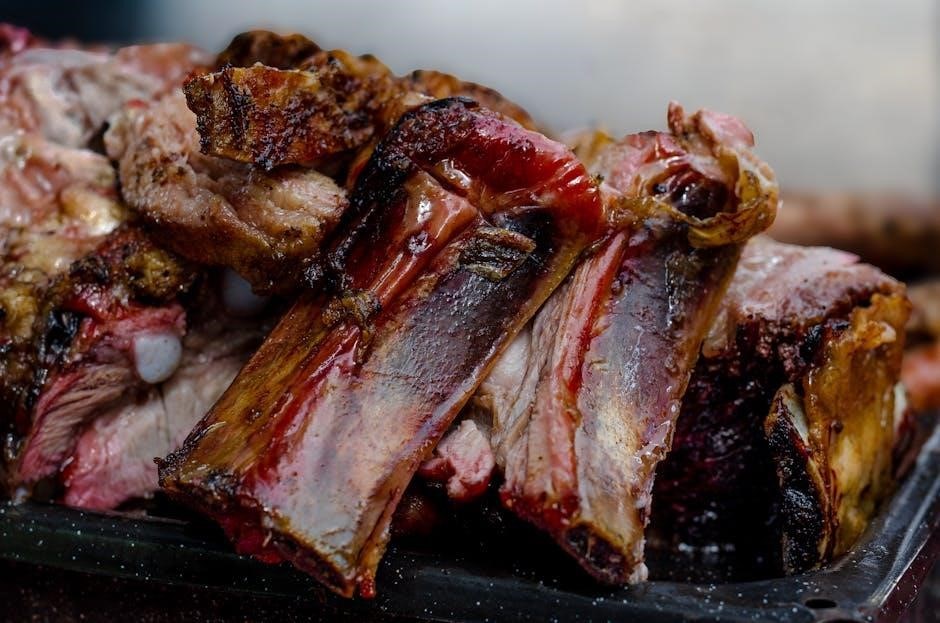
Ribs, a Rib Crib signature, present a significant caloric and fat content. A full slab (approximately 1.5-2 lbs) typically contains between 1800-2500 calories, with 90-140g of fat, depending on preparation and sauce. Protein content is substantial, ranging from 120-180g, making them a protein-rich, albeit high-fat, option.
A half slab offers roughly half these values – around 900-1250 calories, 45-70g of fat, and 60-90g of protein. Carbohydrate levels vary based on sauce, but generally fall between 30-60g per full slab. Consider that dry-rubbed ribs will have fewer carbohydrates than those heavily sauced. Sodium content is also high, often exceeding 1500mg per full slab due to brining and seasoning. Portion control is crucial when enjoying Rib Crib’s ribs.
Nutrition Facts: Chicken (Various Styles)
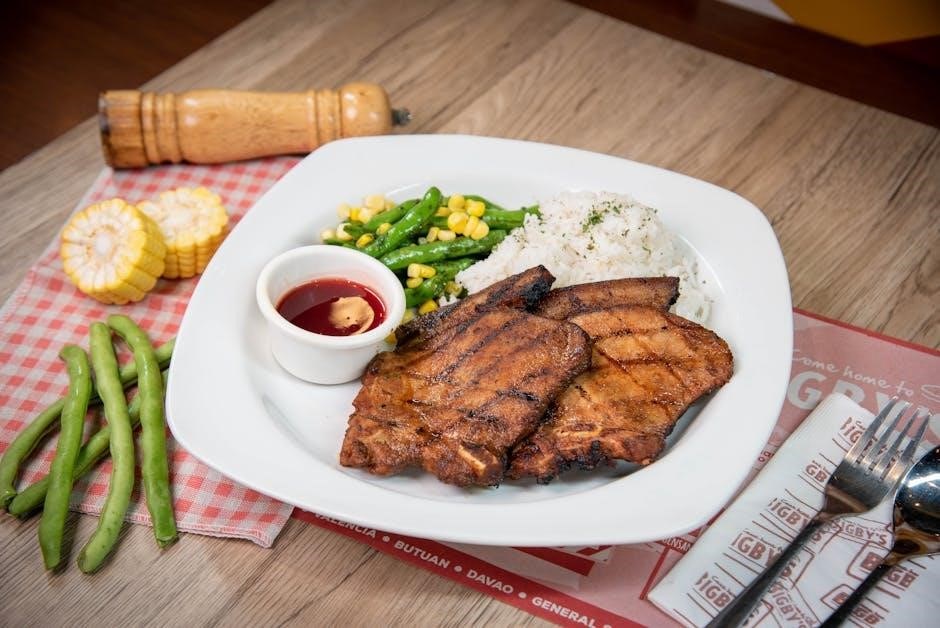
Rib Crib’s chicken offerings vary significantly in nutritional value depending on preparation. Grilled chicken (quarter, half, or whole) is the leanest option, providing approximately 300-600 calories per quarter, 30-50g of protein, and 5-15g of fat. Fried chicken, however, substantially increases calorie and fat content, reaching 400-700 calories and 20-40g of fat per quarter piece.
Smoked chicken falls in between, typically around 350-650 calories and 15-30g of fat per quarter. Carbohydrate levels are generally low across all chicken styles, unless accompanied by sauces. Sauces like BBQ can add 10-20g of sugar per serving. Sodium content is moderate, ranging from 600-1000mg per quarter, depending on seasoning and preparation method.
Nutrition Facts: Pulled Pork & Beef
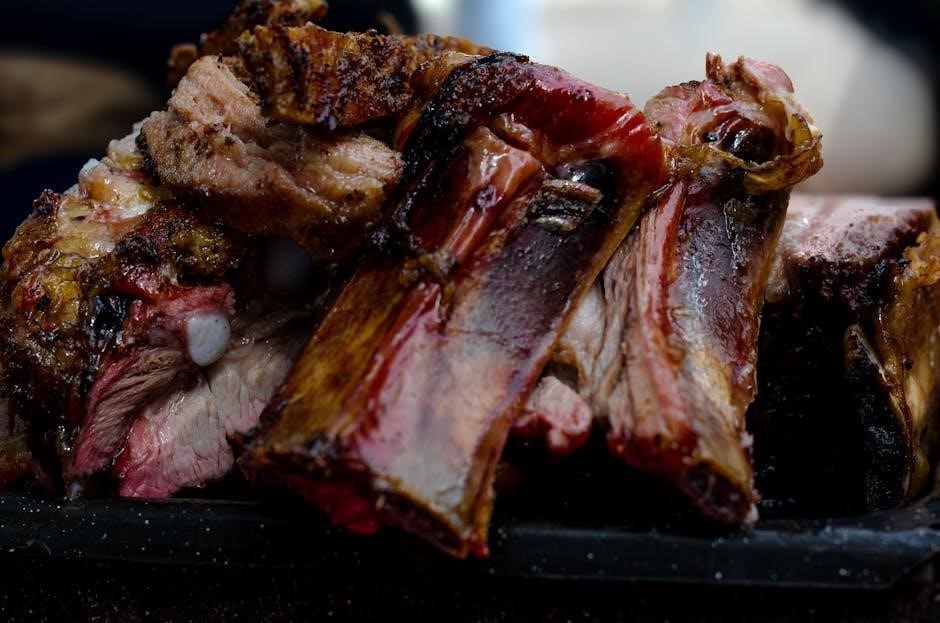
Rib Crib’s pulled pork and beef are flavorful but calorie-dense options. A half-pound serving of pulled pork typically contains around 600-800 calories, 40-50g of protein, and 30-40g of fat. The fat content stems from the pork’s marbling and cooking process. Pulled beef, similarly, ranges from 650-850 calories, with a slightly higher fat content of 40-50g per half-pound.
Carbohydrate levels are moderate, primarily from the BBQ sauce (around 20-30g of sugar). Sodium is also significant, averaging 800-1200mg per serving. Leaner choices involve requesting pork or beef without added sauce or opting for smaller portion sizes. Consider pairing these meats with lower-calorie sides to balance your meal.
Nutrition Facts: Sides ⎼ Cole Slaw, Fries, Baked Beans
Rib Crib’s side dishes significantly impact overall meal nutrition. Cole slaw, a medium serving (approx. 4oz), contains roughly 150-200 calories, 2-3g protein, and 10-15g fat, largely from mayonnaise. Fries, a regular order, pack a caloric punch – around 400-500 calories and 15-20g fat. Baked beans, while offering some fiber, are high in sugar (20-25g) and calories (300-350) per serving.
Sodium levels are also considerable across all three sides. Healthier choices involve smaller portions of fries, or opting for cole slaw with light dressing. Baked beans should be consumed in moderation due to their sugar content. Prioritizing non-starchy sides can help balance your meal.
Nutrition Facts: Sides ⎯ Mac & Cheese, Green Beans
Rib Crib’s Mac & Cheese, a comfort food staple, is calorie-dense, typically containing around 450-550 calories per serving, with 20-25g of fat and a substantial amount of sodium. It provides some protein (15-20g) but lacks significant fiber. Green beans, conversely, are a much lighter option. A standard portion (approx. 6oz) offers roughly 80-120 calories, 2-3g protein, and minimal fat.
Green beans are a good source of vitamins and fiber, contributing to a more balanced meal. While Mac & Cheese is enjoyable, portion control is crucial. Combining green beans with a richer dish like ribs can help mitigate the overall caloric impact and increase nutrient intake.
Making Healthier Choices at Rib Crib
Strategic portion control, selecting leaner proteins, and opting for nutritious side dishes empower diners to enjoy Rib Crib while maintaining dietary goals effectively.
Portion Control Strategies
Rib Crib offers generous portions, making mindful eating crucial. Consider sharing a full slab of ribs or a large chicken meal with a companion to immediately halve your intake. Opting for the half slab or smaller chicken portions is a proactive step. When sides are involved, request smaller sizes if available, or share them.
Before diving in, assess the quantity of food and mentally divide it into two meals – enjoying half now and saving the rest for later. This simple technique prevents overeating. Pay attention to your body’s fullness cues; stop eating when comfortably satisfied, not stuffed. Remember, enjoying your meal slowly allows your brain time to register fullness, aiding in portion control.
Choosing Leaner Protein Options
While Rib Crib specializes in ribs, exploring other protein choices can significantly impact your meal’s nutritional profile. Grilled or roasted chicken, particularly white meat (breast), generally contains less fat than ribs or pulled pork. When selecting chicken, consider options without heavy sauces or breading, as these add extra calories and unhealthy fats.
Pulled beef, while flavorful, often has a higher fat content due to the cut of meat used. If choosing pulled pork, opt for a smaller portion and remove visible fat. Prioritizing lean protein sources helps manage calorie and fat intake, contributing to a more balanced meal. Remember to balance your protein choice with healthy side options for optimal nutrition.
Smart Side Dish Selections
Rib Crib’s sides can dramatically alter a meal’s overall healthfulness. Opting for green beans or cole slaw (in moderation, due to dressing) is generally a better choice than fries or mac & cheese, which are higher in calories, fat, and sodium. Baked beans, while offering some fiber, often contain added sugars;
Consider portion sizes carefully; even healthier sides can contribute to excess calorie intake if consumed in large quantities. Requesting dressings or sauces on the side allows you to control the amount added. A combination of a lean protein and a sensible side dish selection is key to enjoying a Rib Crib meal without compromising your dietary goals.
Rib Crib’s Nutritional Information Resources
Access Rib Crib’s detailed nutrition facts and allergen information conveniently through their official website, empowering informed dining choices for all customers.
Accessing Rib Crib’s Online Nutrition Information
Rib Crib provides readily available nutritional information directly on their website, designed for easy access by health-conscious diners. Typically, you can locate a dedicated “Nutrition” or “Menu & Nutrition” section, often found in the footer of the homepage or within a “About Us” subsection. This online resource details macronutrient breakdowns – including calories, fat, protein, and carbohydrates – for each menu item.
Furthermore, Rib Crib often offers downloadable PDF versions of their nutrition guide, allowing for offline viewing and convenient reference. The website also frequently includes allergen information, crucial for individuals with dietary restrictions or sensitivities. Users can generally search for specific items or browse by category to quickly find the nutritional data they need, facilitating informed and personalized meal selections.
Understanding Rib Crib’s Allergen Information
Rib Crib recognizes the importance of catering to guests with allergies and provides detailed allergen information to ensure a safe dining experience. Their website typically features a dedicated allergen chart, clearly outlining the presence of common allergens – including peanuts, tree nuts, milk, eggs, soy, wheat, fish, and shellfish – in each menu item.
This information is crucial for individuals with sensitivities or allergies to make informed choices. Rib Crib also acknowledges the potential for cross-contamination during food preparation. While they take precautions, they advise guests with severe allergies to inquire with staff about potential risks before ordering. Detailed allergen statements are often available upon request, providing a comprehensive understanding of ingredient sourcing and preparation methods.
Comparing Rib Crib to Other Fast-Casual Restaurants
Rib Crib’s nutritional profile, when contrasted with similar BBQ and fast-casual chains, reveals variations in calorie counts, macronutrient ratios, and portion sizes.
Rib Crib vs. BBQ Chains (e.g., Sonny’s, Dickey’s)
When comparing Rib Crib to established BBQ chains like Sonny’s and Dickey’s, several nutritional distinctions emerge. Generally, Rib Crib’s rib portions tend to be comparable in calorie and fat content, though sauce variations significantly impact sugar levels. Dickey’s often features a wider array of lower-calorie sides, such as green salads with light dressings, offering more balanced meal options.
Sonny’s frequently provides detailed nutritional breakdowns online, facilitating informed choices, while Rib Crib’s information may require more searching. Protein content is generally high across all three chains, reflecting the core menu focus. However, carbohydrate levels can vary substantially based on side dish selections – baked beans and mac & cheese contribute significantly to overall carb intake at all locations. Ultimately, mindful portion control and strategic side dish choices are crucial for maintaining a balanced diet when dining at any of these BBQ establishments.
Rib Crib vs. Other Fast-Casual Options
Contrasting Rib Crib with broader fast-casual dining reveals notable nutritional differences. Compared to burger chains, Rib Crib generally offers higher protein content but also significantly more fat, particularly from the ribs and associated sauces. Mexican fast-casual restaurants often provide lighter options like grilled chicken salads or burrito bowls with customizable ingredients, allowing for greater control over calorie and macronutrient intake.
Pizza chains typically present high carbohydrate loads and varying fat content depending on toppings. Rib Crib’s sides, like coleslaw and fries, contribute substantial calories and fat, similar to many fast-casual offerings. However, the core rib and chicken dishes at Rib Crib are less processed than many fast-food alternatives. Choosing leaner protein options and mindful side selections are key to navigating Rib Crib’s menu within a balanced dietary framework;
Special Dietary Considerations
For specific diets – low-carb, high-protein, or gluten-sensitive – Rib Crib requires careful menu navigation and potential modifications to standard orders.
Rib Crib for Low-Carb Diets
Successfully navigating a low-carbohydrate diet at Rib Crib demands strategic choices. Ribs, particularly the meat portion without sauce, can be a viable option, though sauce carbohydrates must be considered. Chicken, grilled or smoked (avoiding sugary marinades), offers another protein-focused choice. Pulled pork and beef are acceptable in moderation, again, being mindful of sauce additions.
Crucially, side dish selection is paramount. Eliminate options like baked beans, mac & cheese, and fries entirely. Cole slaw, while containing some carbohydrates, is a relatively lower-carb side. Prioritize larger protein portions and smaller side servings. Request sauces on the side to control intake. Be aware that even seemingly simple sides can contain hidden sugars. Careful planning and mindful ordering are essential for maintaining a low-carb approach at Rib Crib.
Rib Crib for High-Protein Diets
Rib Crib presents several opportunities for individuals following a high-protein dietary plan. The core menu revolves around protein-rich meats, making it relatively straightforward to meet increased protein goals. A full or half slab of ribs provides a substantial protein source, though fat content should be considered. Chicken, in its various preparations (grilled, smoked, fried – prioritizing grilled/smoked), is an excellent lean protein option.
Pulled pork and beef also contribute significantly to protein intake. When selecting sides, focus on those that complement protein consumption without adding excessive carbohydrates or unhealthy fats. Opt for green beans or a small portion of cole slaw. Minimize or avoid high-carb sides like fries, mac & cheese, and baked beans. Prioritizing meat portions and strategic side choices will maximize protein intake at Rib Crib.
Rib Crib and Gluten Sensitivity
For individuals with gluten sensitivity, navigating the Rib Crib menu requires careful consideration. While the meats themselves (ribs, chicken, pulled pork, beef) are generally gluten-free, potential cross-contamination and ingredient lists in sauces and sides pose challenges. Rib Crib’s BBQ sauces often contain gluten, so inquiring about ingredients or opting for dry rubs is crucial.
Sides like cole slaw and baked beans may also contain hidden gluten. French fries could be a safe option if fried in a dedicated fryer, but cross-contamination is a risk. Mac & cheese almost certainly contains gluten. It’s essential to directly contact Rib Crib or consult their allergen information (if available) to confirm ingredient details and minimize potential reactions. Careful questioning and informed choices are vital for a gluten-sensitive diner.
Tips for Tracking Your Rib Crib Meal
Utilize calorie tracking apps or estimate based on available nutritional information; when data is limited, prioritize reasonable portion sizes for accurate logging.
Using Calorie Tracking Apps
Modern calorie tracking applications represent a powerful tool for managing your intake when dining at Rib Crib. Popular options like MyFitnessPal, Lose It!, and Cronometer often feature extensive food databases, potentially including user-submitted entries for Rib Crib menu items. However, accuracy can vary, so cross-referencing with Rib Crib’s official nutritional information – when available – is crucial.
When logging, be meticulous about portion sizes. Rib Crib’s generous servings necessitate careful measurement or estimation. Utilize the app’s features to log individual components of your meal, such as ribs, sides, and beverages, for a comprehensive overview. Regularly reviewing your tracked data provides valuable insights into your eating patterns and helps you stay aligned with your dietary goals. Remember to account for any added sauces or dressings.
Estimating Calories When Information is Limited
Occasionally, precise nutritional data for specific Rib Crib menu items may be unavailable. In such instances, reasonable estimation becomes necessary. Begin by identifying similar dishes with known nutritional values – for example, comparing Rib Crib’s pulled pork to generic pulled pork nutrition information. Consider the cooking method; smoked or grilled meats generally differ in fat content.
Visually assess portion sizes and compare them to standard serving sizes. Utilize online resources offering calorie estimations for common ingredients like barbecue sauce or baked beans. When in doubt, err on the side of caution and overestimate slightly. Logging these estimations within a calorie tracking app allows for ongoing refinement as more accurate data becomes accessible. Prioritize logging something rather than neglecting the meal entirely.
Rib Crib’s Commitment to Nutritional Transparency
Rib Crib actively works to provide accessible nutritional information, including recent menu changes and future initiatives focused on clarity for health-conscious diners.
Recent Changes to Rib Crib’s Menu & Nutrition
Rib Crib has demonstrated a growing commitment to meeting evolving customer needs regarding dietary awareness. While specific dates of major overhauls aren’t widely publicized, subtle shifts reflect a focus on providing more balanced options. These changes aren’t necessarily drastic menu removals, but rather adjustments to portion sizes and ingredient sourcing.
Recent efforts include a more detailed breakdown of macronutrient information available online, allowing customers to make informed decisions. There’s been a slight trend towards incorporating lighter side dish alternatives, though the core BBQ offerings remain central. Rib Crib also appears to be actively responding to allergen concerns, improving clarity on ingredient lists. These incremental improvements signal a dedication to nutritional transparency and customer well-being, fostering a more positive dining experience for those mindful of their dietary intake.
Future Nutritional Initiatives at Rib Crib
Looking ahead, Rib Crib appears poised to expand its nutritional focus beyond simply providing data. Potential initiatives could include clearly labeling menu items with “better-for-you” indicators, guiding customers towards balanced meals. Exploring options for reduced-sodium rubs and marinades is also a possibility, addressing a common concern in BBQ cuisine.
Further development of online tools, such as a meal builder allowing customized nutritional calculations, would be beneficial. Collaborations with nutritionists to create pre-designed, balanced meal combinations could also be considered. Ultimately, Rib Crib’s future success hinges on proactively addressing customer demand for healthier choices, demonstrating a genuine commitment to wellness alongside its signature BBQ flavors. Increased transparency regarding sourcing and preparation methods will also be key.