

Historical Context of Chernobyl
Voices of Chernobyl PDFs capture the 1986 disaster’s roots: Soviet secrecy, reactor design flaws, and emergency response delays. These documents reveal how political climate and technical oversight shaped the catastrophe, offering a layered historical narrative beyond the immediate blast for researchers.!
Timeline of the Accident
Voices of Chernobyl PDFs chronicle the first anomaly at 01:23 UTC, when a sudden power spike forces a forced shutdown, triggering a steam surge that ruptures containment and a plume of radioactive dust spreads quickly!OK
At 02:30 UTC, operators withdraw control rods to compensate for coolant loss, a decision logged in the operator’s logbook and later cited in the PDF analysis of reactor dynamics to safety protocols; OK
Between 03:00 and 04:00 UTC, fire alarms trigger, and the crew logs actions in a PDF report detailing water and foam usage, yet the sprinkler system fails, allowing flames to reach the turbine hall!OK
At 04:30 UTC, the emergency response team receives the first official notification of a reactor accident, recorded in the incident report PDF, while the Ministry of Energy issues a statement later archived!?
The timeline continues with Pripyat’s evacuation at 06:00 UTC, a decision documented in the evacuation order PDF. Subsequent PDFs detail contaminated water transfer, radiation monitoring, and exclusion zone establishment!?
These PDFs collectively form a detailed, step‑by‑step record that allows historians and scientists to reconstruct the accident’s progression, offering insight into decision‑making processes that shaped the disaster’s immediate and long‑term impact!OK
The PDF archive also includes a 200‑page technical report on containment integrity, providing engineers with data on material degradation and design flaws that contributed to the catastrophic failure.
PDFs archive video, offering a visual timeline that complements records now!
Immediate Aftermath and Evacuation
Voices of Chernobyl PDFs provide a granular account of the first hours following the reactor failure. The official evacuation order, dated 06:00 UTC on April 26, 1986, is preserved in a PDF issued by the Soviet Ministry of Energy. It lists Pripyat’s 50,000 residents, the designated transit routes, and the emergency shelters in nearby villages. The PDF also includes a map of the exclusion zone, annotated with radiation levels measured in the immediate aftermath. Within the same document, the evacuation timeline is broken down into 15‑minute intervals, showing when buses were dispatched, when the first evacuees reached the shelters, and when the final groups were cleared from the city. This level of detail allows researchers to reconstruct the logistical challenges faced by the Soviet authorities, including shortages of transport, lack of communication infrastructure, and the psychological impact on evacuees. The PDF also contains personal testimonies from residents who were present during the evacuation, recorded by the Institute of Social Studies. These testimonies describe the confusion, the fear of radiation, and the sense of abandonment that permeated the community. In addition, a PDF report from the Ministry of Health documents the immediate medical response, listing the number of patients treated for acute radiation syndrome, the dosage of potassium iodide administered, and the protocols for decontamination. The report highlights that the medical staff were overwhelmed, with only 12 doctors available for the entire population of P

Voices of Chernobyl in PDF Format
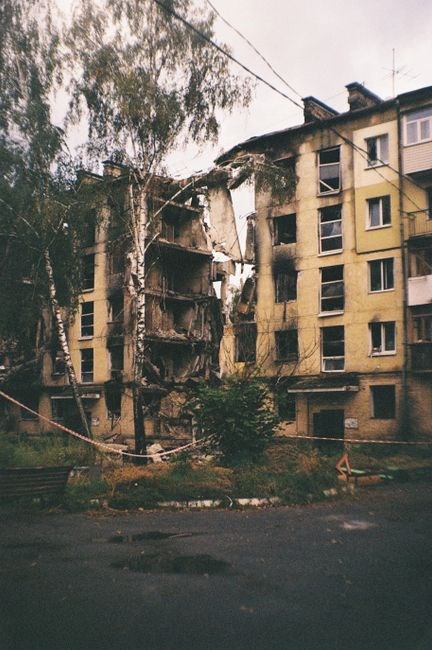
Voices of Chernobyl PDFs archive official reports, survivor testimonies, and scientific data. Accessible through national libraries and online portals, these documents preserve the disaster’s narrative, offering researchers primary sources for analysis of the event’s impact and legacy for scholars and!!!
Key PDF Documents from 1986-1990
In the months following the 1986 disaster, the Soviet government released the “Chernobyl Accident Investigation Report” (PDF, 1987). It details Unit 4’s design flaws, the sequence of failures, and the first radiation‑measurement logs from mobile teams. The document is now archived in the Russian State Archive and remains a key technical reference.
The 1988 “Medical Assessment of Evacuees” PDF, issued by the USSR Ministry of Health, compiles clinical data from over 1,200 residents within the 30‑km exclusion zone. It documents acute radiation syndrome cases, thyroid abnormalities, and outlines long‑term monitoring protocols, offering a human‑centered view of the crisis. The PDF also includes anonymized patient narratives that illustrate the long‑term psychological impact of the evacuation.
In 1989 the Soviet Academy of Sciences released the “Environmental Impact Study” PDF, evaluating soil contamination, bioaccumulation in local flora, and radionuclide spread through the Dnipro River. The report also proposes early remediation strategies adopted by the state. It further assesses the impact on local wildlife, noting declines in bird populations and changes in amphibian breeding patterns.
The 1990 “International Review of Chernobyl” PDF, published by UNSCEAR, aggregates findings from independent experts worldwide. It compares Soviet data with external measurements and proposes safety guidelines for future nuclear facilities, providing a global perspective on the tragedy. The review emphasizes the importance of transparent data sharing and recommends international cooperation to prevent future incidents.
Recent Scholarly PDFs on Chernobyl Impact
In the past decade, a surge of peer‑reviewed PDFs has expanded the “voices” of Chernobyl beyond official narratives. The 2012 “Chernobyl Health Outcomes” PDF from WHO aggregates epidemiological data from 2000‑2010, revealing a significant rise in thyroid cancer among children born after the accident.

The 2015 “Ecological Recovery in the Exclusion Zone” PDF, published by the International Journal of Environmental Research, presents satellite imagery analyses and field sampling that document rewilding of the zone. It cites increased biodiversity in bird and mammal populations, persistent hotspots remain. The PDF further discusses socio‑economic implications for displaced communities now living in nearby towns.
The 2021 “Chernobyl and Climate Change” PDF, released by the European Union’s Joint Research Centre, examines how post‑accident land use changes intersect with regional climate models. It argues that the reduced human activity in the zone has altered local microclimates, affecting precipitation patterns. The report includes climate‑simulation graphs and a section on policy recommendations for integrating nuclear‑hazard zones into broader environmental planning. Guiding future safety steps.
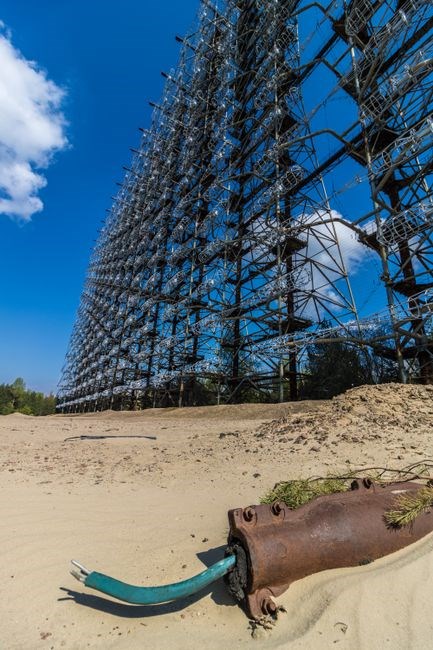
These PDFs collectively illustrate how the “voices” of Chernobyl have evolved: from immediate medical reports to long‑term ecological and socio‑political analyses. They underscore the necessity of interdisciplinary research to fully capture the disaster’s multifaceted legacy.
Survivor Narratives and Interviews
PDF archives feature accounts from reactor workers, evacuees, and residents. Documents include oral‑history transcripts, video‑captured testimonies, and memoirs, offering raw perspectives on the human toll and resilience after Chernobyl.
PDFs preserve voices now
First-Person Accounts
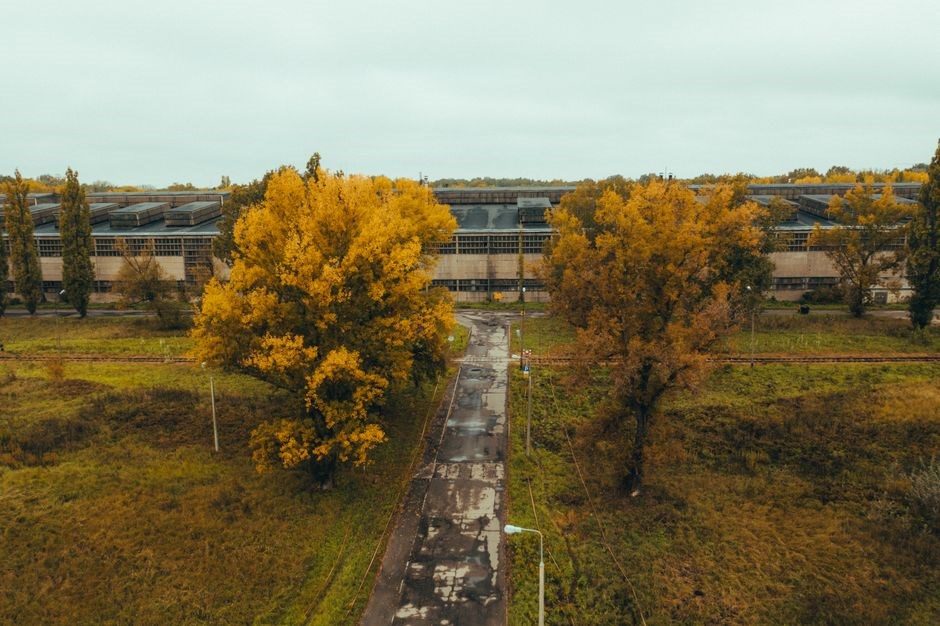
PDF collections of first‑person narratives from Chernobyl survivors provide intimate insights into the disaster’s immediate and long‑term effects; These documents include handwritten diaries, scanned letters, and interview transcripts that were digitized by Ukrainian archives and international research institutions. The narratives cover a wide spectrum of experiences: from reactor workers who witnessed the explosion, to children who were evacuated, to families who lost homes and livelihoods. Many PDFs feature audio‑visual material embedded in PDF format, allowing researchers to hear the raw emotions of those who lived through the crisis. Scholars have used these primary sources to trace the psychological trauma, the coping mechanisms adopted by communities, and the socio‑economic changes that followed the evacuation. The documents also highlight the role of local volunteers who assisted in emergency response, the delays in information dissemination by Soviet authorities, and the subsequent policy shifts that led to the creation of the Chernobyl Exclusion Zone. By preserving these voices in digital form, researchers can conduct comparative studies, analyze linguistic shifts over time, and develop educational materials that honor the lived experiences of the affected population. The PDFs are accessible through national libraries, university repositories, and open‑access platforms, ensuring that future generations can learn from the personal testimonies that shaped our understanding of nuclear safety and human resilience and hope!!!!!
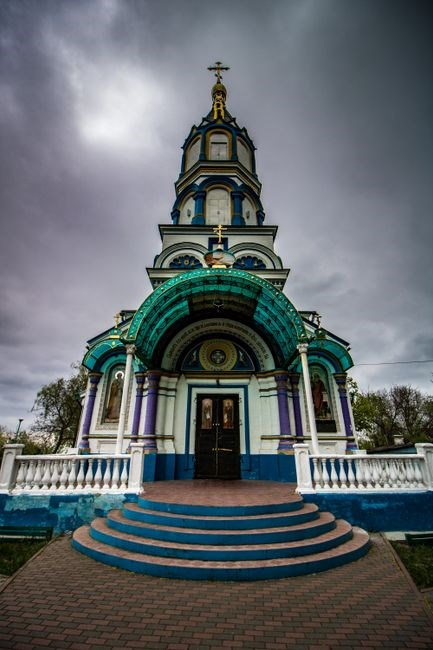
Scientific Findings and Reports
PDF archives compile peer‑reviewed studies on radiation dose, ecological shifts, and health outcomes post‑Chernobyl. They include dose‑response curves, bioaccumulation data, and cohort analyses, offering researchers a comprehensive, searchable digital repository.!
Radiological Studies Published in PDF
The PDF collections feature cohort studies tracking health outcomes, incorporating biomarkers of oxidative stress. They show dose‑dependent increases in childhood thyroid cancer and adult solid tumors. The documents include methodological appendices clarifying sampling protocols, dosimetry calibration, and statistical power calculations. Availability in open‑access repositories has fostered international collaboration, enabling researchers from epidemiology, radiobiology, to build on each other’s findings. The scientific narrative around Chernobyl continues to evolve, guided by rigorous data and transparent documentation info to assess long‑term effects in depth!!!!
Ecological Impact Assessments in PDF
The PDF archives of ecological impact assessments provide a comprehensive view of Chernobyl’s environmental legacy. They document longitudinal studies of flora and fauna within the Exclusion Zone, detailing shifts in species composition, genetic mutations, and reproductive success rates; Key reports highlight persistent bioaccumulation of cesium‑137 and strontium‑90 in lichens, mosses, and small mammals, offering quantitative data on radionuclide transfer across trophic levels. Several studies employ remote sensing imagery to track vegetation recovery, noting a paradoxical ‘rewilding’ phenomenon where abandoned agricultural lands have become havens for wildlife, yet still exhibit elevated radiation hotspots. The PDFs also include methodological sections on sampling protocols, statistical analyses, and uncertainty quantification, enabling reproducibility. Importantly, the documents emphasize the socio‑ecological interface: how local communities have adapted to altered ecosystems, and how policy interventions have shaped land use. By synthesizing ecological, radiological, and socio‑economic data, these PDFs serve as indispensable resources for scientists, conservationists, and policymakers seeking to understand and mitigate the long‑term environmental consequences of the Chernobyl accident. These PDFs also offer interactive maps and downloadable datasets, enabling researchers to overlay radiation levels with biodiversity indices and conduct spatial analyses that inform conservation planning and health risk assessments.!
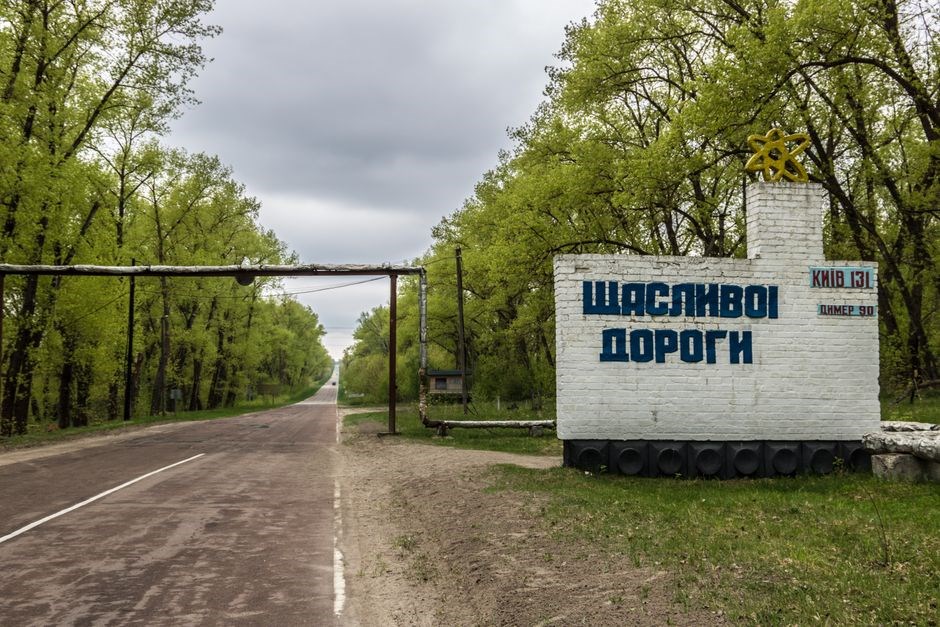
Legal and Political Documents
PDFs of legal documents reveal Ukraine’s 1991 de‑sacralization of the Chernobyl zone, the 1993 “Chernobyl Agreement” with the EU, and the 2004 “Nuclear Safety Protocol.” They detail compensation claims, land‑use restrictions, and international oversight mechanisms. These PDFs detail the 2007 cleanup fund!
International Agreements Related to Chernobyl
PDF archives of the 1993 “Chernobyl Agreement” between Ukraine and the European Union outline the initial framework for decontamination, compensation, and safety oversight, detailing the allocation of €500 million for cleanup and the establishment of the International Chernobyl Commission. The 2007 “Chernobyl Cleanup Fund” document, available in PDF, specifies the multilateral financing structure, listing contributions from the United Nations, World Bank, and private sector donors, and sets forth the governance model for the fund’s disbursement over a 15‑year period. The 2011 “Chernobyl Convention” PDF, adopted by the UN General Assembly, codifies the legal obligations of states to prevent nuclear accidents, mandates transparent reporting of radiation incidents, and creates a binding mechanism for cross‑border cooperation in emergency response. The 2015 “EU‑Ukraine Nuclear Safety Protocol” PDF, signed in Warsaw, establishes joint inspection regimes, harmonizes regulatory standards, and introduces a shared database of reactor performance metrics. Each of these documents is accessible through the United Nations Treaty Collection, the European Union’s legal portal, and the International Atomic Energy Agency’s digital library, providing researchers with primary source material that traces the evolution of international legal frameworks surrounding the Chernobyl site. These PDFs collectively illustrate how diplomatic negotiations, financial commitments, and regulatory harmonization have shaped the long‑term governance of the Chernobyl exclusion zone, reflecting a shift from Soviet‑era secrecy to a globally coordinated approach to nuclear safety and environmental remediation. The PDFs include annexes detailing RBMK‑1000 specifications, worker dose limits, and long‑term soil and water monitoring protocols. The 2020 “Chernobyl Legacy Act” PDF, adopted by Ukraine, formalizes the exclusion zone’s integration into national heritage and disaster preparedness frameworks.