

Overview of Piriformis Syndrome
Piriformis syndrome arises when the piriformis muscle irritates the sciatic nerve, causing buttock pain and leg discomfort. Stretching the muscle can reduce tension, improve circulation, and alleviate symptoms. PDF guides provide step‑by‑step routines for safe home practice. Try daily soon.

Importance of PDF Resources
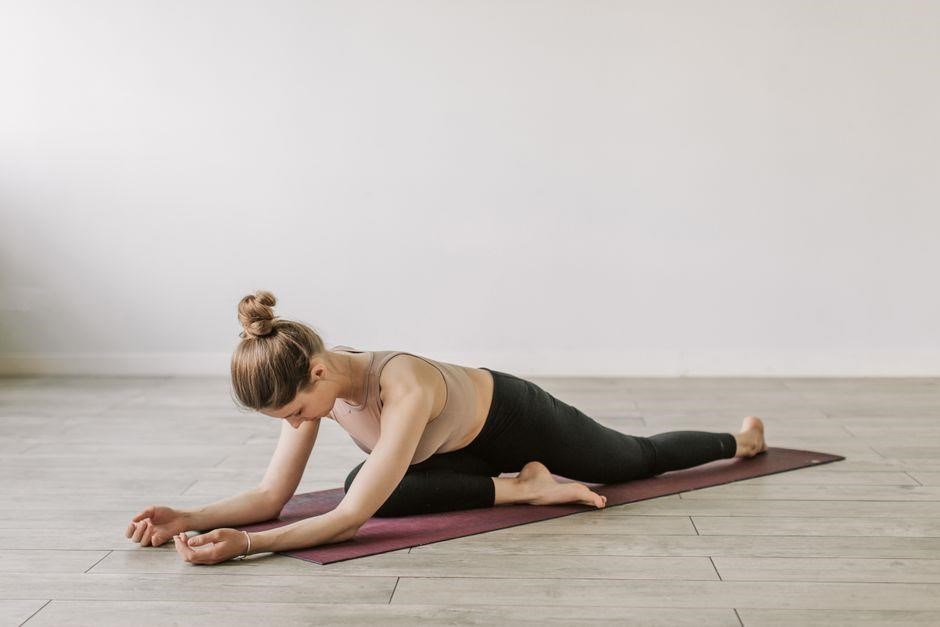
PDF resources are invaluable for individuals seeking structured guidance on piriformis relief. They consolidate expert recommendations into a single, portable format that can be accessed on any device, from smartphones to laptops. The visual layout of PDFs allows users to follow step‑by‑step illustrations, ensuring correct posture and movement. By providing clear instructions, these documents reduce the likelihood of improper execution that could exacerbate sciatic irritation. Moreover, PDFs often include progression charts, enabling users to monitor progress and adjust intensity over time. The convenience of offline access means that even in areas with limited connectivity, patients can still practice stretches safely. For healthcare professionals, PDFs serve as a standardized reference that can be shared with patients, promoting consistency across home and clinical settings. The lightweight nature of PDF files ensures quick downloads and minimal storage requirements, making them ideal for busy schedules. Overall, PDF resources empower individuals to take charge of their recovery, offering a reliable, evidence‑based tool that supports long‑term relief and functional restoration. Additionally, many PDFs provide worksheets, printable checklists, and QR codes linking to instructional videos, enhancing user engagement ensuring precise execution. They also provide safety tips and warnings, helping users avoid pitfalls during self‑guided sessions daily!
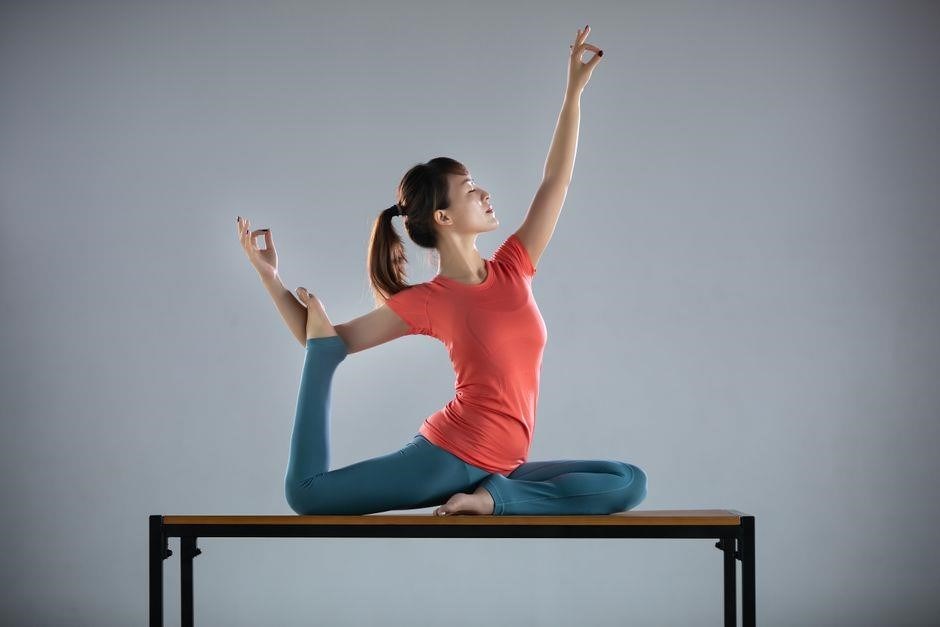
Key Stretching Techniques Covered in PDFs
PDFs highlight four main stretches: the glute bridge, seated piriformis with ankle on knee, standing knee‑to‑chest, and a seated spinal twist. Each routine targets the piriformis, eases sciatic pressure, and promotes gentle mobility. Follow the illustrated steps for safe relief daily. and ease.!!
Bridge Pose (Glute Bridge)
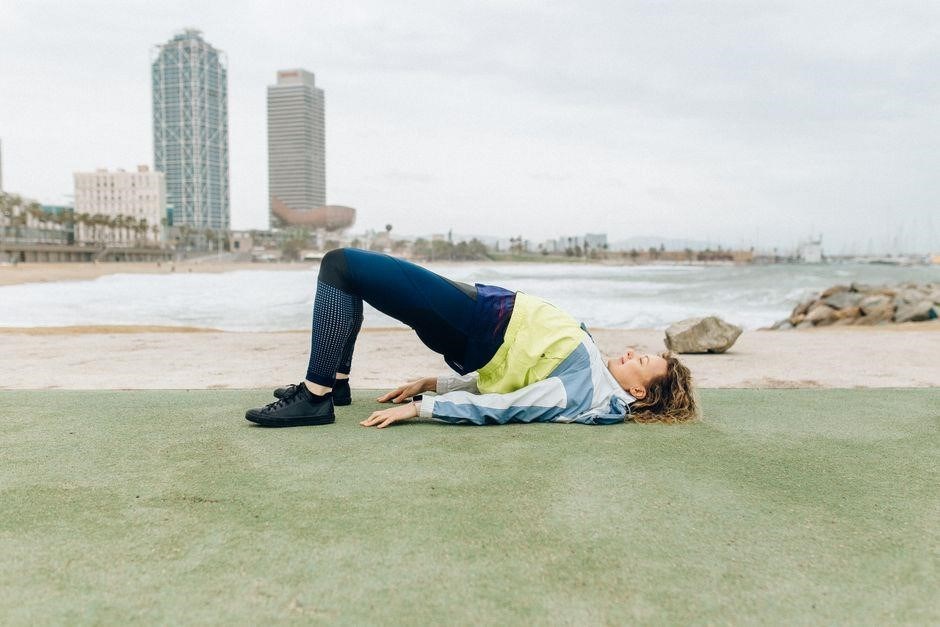
Bridge pose, or glute bridge, is a key stretch in piriformis PDFs. Lie on your back, knees bent, feet flat, hip‑width apart. Arms at sides. Engage core, press heels, lift hips to form a straight line from knees to shoulders. At the top, squeeze glutes, hold 3–5 seconds, then lower slowly. Repeat 8–12 times, breathing evenly. This pose stretches the piriformis, strengthens the posterior chain, and eases sciatic tension. PDFs often show a diagram, list common errors, and suggest adding a single‑leg lift for progression. To boost intensity, place a light weight or band around the knees, or raise the feet on a cushion. If lower‑back pain occurs, keep the pelvis neutral and focus on glute contraction. Perform twice daily after a warm‑up. Pair the bridge with a gentle hamstring stretch for extra flexibility. Foam roll the glutes post‑exercise to release trigger points. Some guides recommend a towel under the knees to reduce lower‑back strain. Keep the neck neutral to avoid compensatory tension. Track progress by noting reps and pain changes. Over time, you may feel less buttock soreness and improved walking endurance. This simple pose suits beginners and advanced users alike, making it a versatile addition to any home routine. The PDF also recommends a 30‑second hold at the apex for advanced users, and suggests incorporating a hip‑abductor stretch afterward. Additionally, using a yoga block under the hips can increase the stretch depth. Remember to breathe deeply and avoid holding the breath during the lift. Use a towel for support!!
Seated Piriformis Stretch with Ankle on Knee
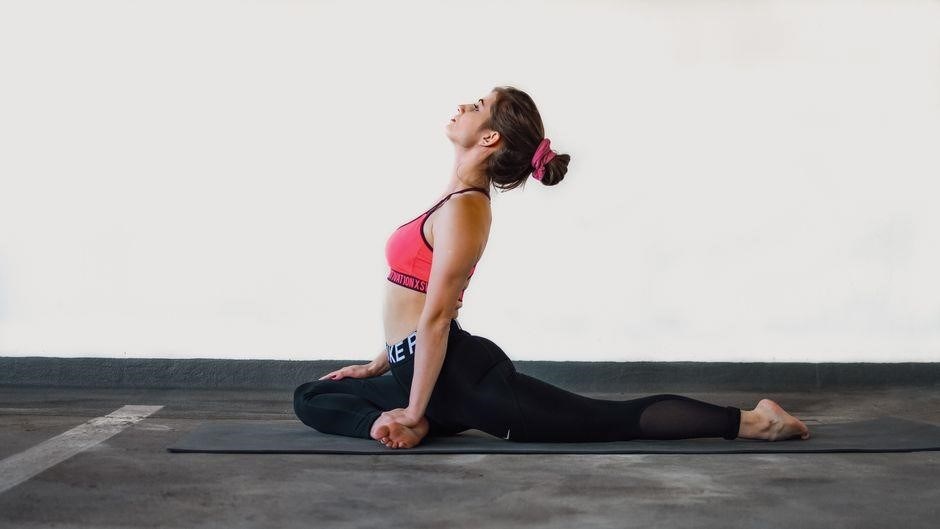
Begin by sitting upright in a sturdy chair with feet flat on the floor. Keep your spine straight and shoulders relaxed. Place the right ankle on the left knee, ensuring the knee drops toward the floor. This position gently opens the gluteal region and targets the piriformis muscle. Hold the stretch for 30–45 seconds, breathing deeply, and then switch sides. The PDF guide from Jasper Hulscher Clinic outlines this routine as a home‑friendly method to reduce sciatic nerve pressure, alleviate buttock pain, and improve leg comfort. It emphasizes maintaining a neutral pelvis to avoid lower‑back strain. For added depth, tilt the torso slightly forward while keeping the back straight, allowing the glute to elongate further. If the stretch feels too intense, keep the ankle lower on the knee or use a cushion for support. The PDF also recommends repeating the sequence 2–3 times per leg, gradually increasing hold time as flexibility improves. Incorporating this seated stretch into a daily routine can help prevent muscle tightness that triggers piriformis syndrome. Remember to keep the shoulders relaxed and avoid hunching, as this can diminish the stretch’s effectiveness. Consistency, combined with gentle breathing, will gradually release tension and promote better sciatic nerve alignment. The PDF provides visual cues and safety tips, ensuring the stretch is performed correctly and safely. Use a towel under the knees for support, keep hips neutral now. Remember to breathe slowly throughout. Keep calm now.
Standing Piriformis Stretch with Knee to Chest
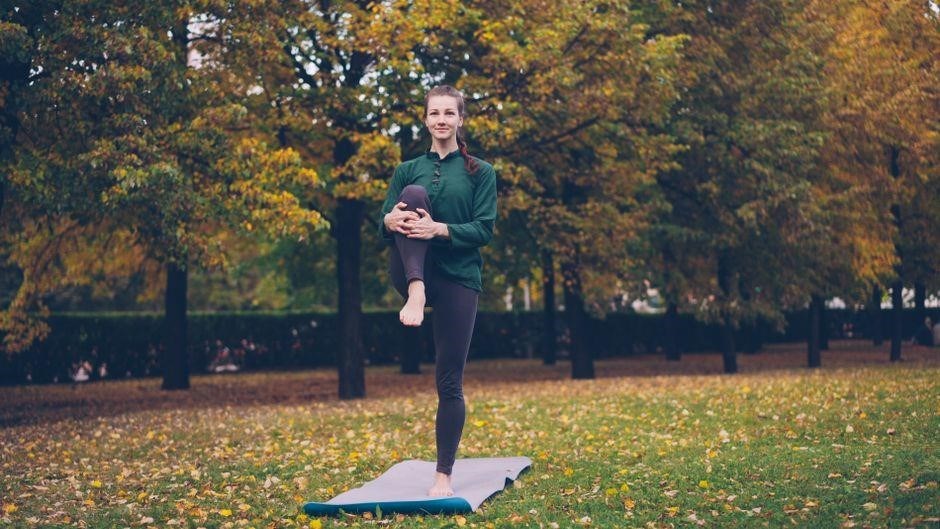
Stand tall with feet hip‑width apart, keeping weight evenly distributed. Engage the core, keep the spine neutral, and lift the right knee toward the chest, holding it with both hands. The stretch should feel gentle in the glute and outer hip, not painful. Hold for 30–45 seconds, breathing deeply, then release slowly. Repeat on the left side. The PDF guide from Coach Sofia Fitness recommends this routine as a quick, accessible method to relieve sciatic nerve tension. It emphasizes maintaining a slight forward lean to deepen the stretch while keeping the back straight. If the stretch feels too intense, place a cushion under the knee or use a wall for support. The guide also advises performing the stretch 2–3 times per side, gradually increasing hold time as flexibility improves. Consistency is key: incorporating this standing stretch into a daily routine can help prevent the piriformis muscle from tightening and compressing the sciatic nerve. The PDF includes visual cues to ensure proper form, such as keeping the shoulders relaxed and the hips square. Remember to breathe slowly and avoid holding the breath. Over time, this simple movement can reduce buttock pain and improve overall hip mobility. Follow the step‑by‑step instructions in the PDF for safe execution and maximum benefit. Stay mindful of posture and listen to your body throughout the stretch.
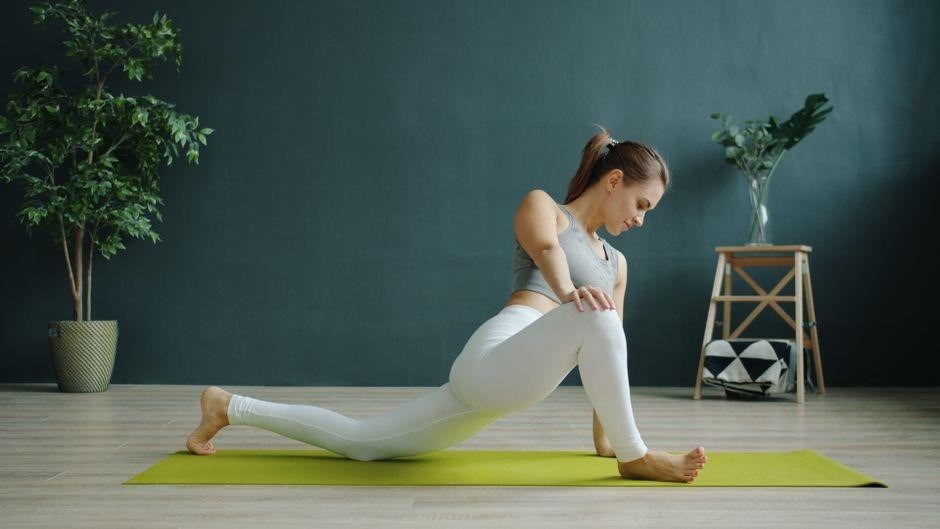
For advanced practitioners, once the basic stretch feels comfortable, you can add a slight twist by turning the torso toward the stretched leg, which further engages the piriformis. However, avoid twisting too far to prevent lumbar strain. The PDF also suggests pairing the stretch with gentle foam‑rolling of the gluteal region to enhance muscle relaxation. Incorporating breathing techniques—inhale to lengthen, exhale to deepen the stretch—can amplify the release of tension. If you have a history of lower back issues, consult a professional before performing the stretch. The PDF provides a quick reference chart that outlines recommended hold times, frequency, and progression milestones. By following these guidelines, you can safely integrate the standing piriformis stretch into your daily routine, promoting long‑term hip health and reducing the risk of sciatic flare‑ups.
Seated Spinal Twist for Piriformis Relief
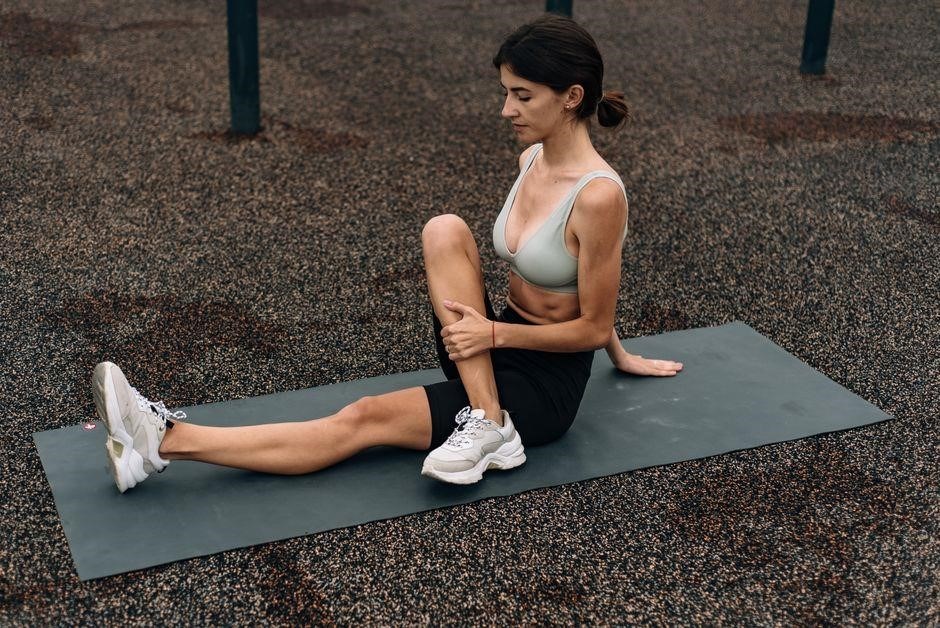
Begin seated on a firm surface with legs extended. Cross the right foot over the left knee, placing the heel near the left hip. Inhale, lengthen the spine, and exhale as you twist toward the right, using the left elbow to gently push the right knee toward the floor. The twist should feel mild in the lower back and outer hip, not sharp. Hold for 30–45 seconds, breathing steadily, then release. Repeat on the opposite side. This position, highlighted in the PDF from Jasper Hulscher Clinic, helps stretch the piriformis by rotating the pelvis and mobilizing the lumbar spine. The guide advises keeping the back straight and shoulders relaxed to avoid compensatory tension. A gentle forward lean can deepen the twist without over‑stretching. The PDF includes a visual diagram showing the correct hand placement and spine alignment. For beginners, use a cushion under the knees to support the pelvis. As flexibility improves, increase hold time and add a slight counter‑twist by turning the torso toward the opposite side, which further releases the piriformis. Pair the twist with slow diaphragmatic breathing: inhale to lengthen, exhale to deepen. The PDF recommends performing this stretch 2–3 times daily, integrating it into a routine that also includes the bridge pose and seated piriformis stretch. Consistency reduces sciatic irritation and improves hip mobility; Always listen to your body; if pain escalates, stop and consult a professional. The PDF’s step‑by‑step instructions ensure safe execution and maximum benefit. Practice daily for lasting relief and ease.
Downloadable PDF Guides
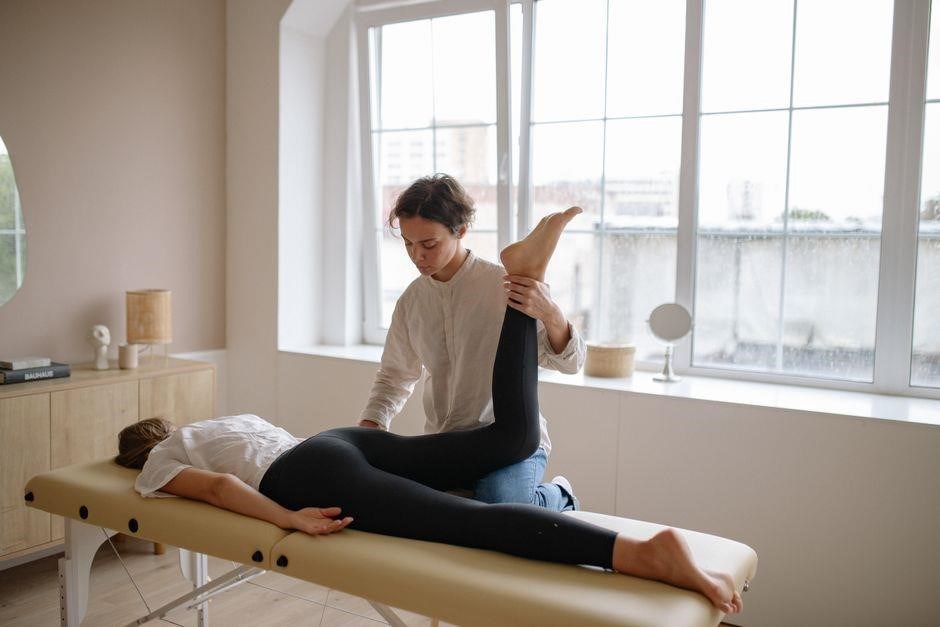
Access free, printable PDFs from Coach Sofia Fitness, Jasper Hulscher Clinic, and Petersen Neurospine. Each guide details safe, step‑by‑step stretches—bridge pose, seated piriformis, and spinal twist to relieve sciatic tension. Download, print, and integrate into daily care.today for everyone.
Free Printable PDF from Coach Sofia Fitness
Coach Sofia Fitness offers a concise, user‑friendly PDF that compiles thirteen targeted stretches designed to release tension in the piriformis muscle and reduce sciatic nerve irritation. The guide begins with a brief overview of the anatomy and the common causes of piriformis syndrome, helping readers understand why these specific movements are effective. Each stretch is illustrated with clear, step‑by‑step photos and accompanied by concise written instructions that emphasize proper posture—keeping the back straight and leaning slightly forward to engage the glutes without over‑extending the spine. The PDF includes variations for different fitness levels, allowing beginners to start with gentle seated stretches and progress to more advanced standing or dynamic movements as flexibility improves. Timing cues, recommended repetitions, and rest intervals are provided to ensure a balanced routine that maximizes muscle relaxation while preventing overstretching. Additionally, the guide offers tips for integrating the routine into a daily schedule, such as performing the stretches after a workout or during a mid‑day break to counteract prolonged sitting. The downloadable format is compatible with any device, making it easy to print or view on a phone, tablet, or computer. By following the structured program, users can expect gradual relief from buttock pain, improved mobility, and a reduced risk of future sciatic flare‑ups. The PDF is available for free download directly below the embedded video tutorial on the Coach Sofia Fitness website, providing instant access to the full set of exercises. The resource also includes a printable progress tracker to monitor improvements. Users can also customize the routine by selecting stretches that target specific pain points, ensuring a personalized approach. The PDF’s layout includes a clear color‑coded diagram for each pose, making it easy to follow even for beginners. A quick reference chart summarizes key benefits and contraindications for each stretch
PDF from Jasper Hulscher Clinic
Jasper Hulscher Clinic, under the leadership of Milton Chiropractic Clinic’s director, has released a concise PDF that focuses on a single, highly effective piriformis stretch. The guide begins by explaining how the piriformis muscle can compress the sciatic nerve, leading to pain that radiates through the buttocks and down the leg. It then outlines a simple, at‑home routine that requires no special equipment, making it accessible for patients of all ages and fitness levels. The PDF’s step‑by‑step instructions are broken down into three key actions: first, sit upright in a supportive chair to maintain spinal alignment; second, place your right ankle on your left knee, ensuring that the knee drops toward the floor; and third, hold the position for 30 to 60 seconds while breathing deeply. The document emphasizes the importance of keeping the back straight and avoiding any twisting motions that could aggravate the nerve. It also notes that the stretch can be repeated on the opposite side to balance muscle tension. The PDF includes a short FAQ section that addresses common concerns such as “Can I do this if I have a herniated disc?” and “How often should I perform the stretch?” The answers reassure readers that the stretch is safe for most individuals, provided they avoid excessive force. A printable version of the PDF is available for download directly from the clinic’s website, allowing patients to keep a copy in their medical file or on their phone for quick reference during a flare‑up. By following the Jasper Hulscher Clinic PDF, patients can experience relief from sciatic discomfort and improve mobility and leaving home;
PDF from Petersen Neurospine
Petersen Neurospine has released a detailed PDF guide outlining five aerobic stretches to relieve piriformis syndrome. The document explains how the piriformis muscle can compress the sciatic nerve, causing pain that radiates through the buttocks and down the leg. It highlights the bridge pose as the most accessible and effective option for beginners. The bridge involves lying supine, bending the knees, and lifting the hips to create a straight line from shoulders to knees, engaging the glutes and core while gently stretching the piriformis.
The guide then presents a seated piriformis stretch that requires placing one ankle over the opposite knee and gently pressing the knee toward the floor, isolating the muscle for a deep stretch. A standing piriformis stretch follows, where the practitioner pulls the knee toward the chest while keeping an upright posture, ensuring the spine remains neutral. A seated spinal twist combines spinal mobility with piriformis relaxation by rotating the torso over the bent knee.
Users are encouraged to perform each stretch daily for at least ten minutes, gradually increasing duration as comfort improves. The downloadable PDF is available in a universally compatible format, making it easy to print or view on any device. By following the Petersen Neurospine PDF, patients can integrate these targeted stretches into their routine for lasting relief Offers lasting relief health
How to Use the PDFs Effectively
Download the PDF, read each step carefully, and practice the stretches daily. Keep a log of pain levels, adjust intensity as needed, and follow the sequence in order. Consistency and proper form maximize relief. Use the PDF’s visual guides to ensure correct posture, and a pro if pain persists.!
Follow the Step-by-Step Instructions
Begin by opening the PDF guide and locating the illustrated sequence for each stretch. For the bridge pose, lie on your back, bend knees, and lift hips until hips and thighs form a straight line. Hold the apex for 5 seconds, squeeze glutes, then lower slowly. Next, the seated piriformis stretch: sit upright, place right ankle on left knee, drop the right knee toward the floor, and lean slightly forward until a gentle pull is felt. The standing knee‑to‑chest stretch involves stepping forward, bending the front knee, and pulling the back knee toward the chest while keeping the spine neutral. Finally, the seated spinal twist: sit with legs extended, cross one leg over the other, and rotate the torso toward the bent knee, using the opposite hand to deepen the twist. Perform each movement slowly, breathing deeply, and repeat 3–5 times per side. The PDF includes visual cues and recommended hold times to ensure correct form and prevent injury. Consistently following these steps will help relieve sciatic pressure and improve mobility. Use a timer to track progress, note any changes in pain, and adjust intensity as needed. If discomfort persists, consult a professional. Remember to warm up before stretching and cool down afterward to maintain flexibility and circulation. Maintain consistency by setting a reminder each morning and reviewing the PDF’s progress chart to track improvements, ensuring the routine stays engaging and effective over time daily consistently.
Integrate Stretches into Daily Routine
Start each morning by opening the PDF guide and reviewing the sequence of bridge pose, seated piriformis stretch, standing knee‑to‑chest, and seated spinal twist. Set a timer for 5 minutes, then perform each stretch for 30 seconds, breathing deeply. After the routine, jot notes in the PDF’s progress log: pain level, range of motion, and any new sensations. Repeat the same sequence before lunch and again in the evening to reinforce muscle memory and prevent stiffness. Use the PDF’s visual cues to maintain proper alignment: keep the spine neutral during the bridge, ensure the knee drops during the seated stretch, and rotate the torso gently during the twist. If you’re working at a desk, schedule a 10‑minute break to perform the standing knee‑to‑chest stretch, which alleviates tension caused by prolonged sitting. Pair the stretches with light aerobic activity—such as a brisk walk or gentle cycling—outlined in the PDF’s “Five Stretches Aerobic Exercises” section enhance circulation. Log each session in a dedicated notebook or the PDF’s built‑in tracker, noting any changes in pain or flexibility. Over time, gradually increase hold times by 5 seconds each week, but always stay within the comfort zone described in the PDF. If a stretch feels too intense, consult the PDF’s safety guidelines or seek professional advice. Consistency is key: aim for at least three sessions daily, and use the PDF’s reminders or calendar alerts to stay on track. By embedding these stretches into your routine, you’ll build resilience, reduce pressure, and promote long‑term hip health now daily.