
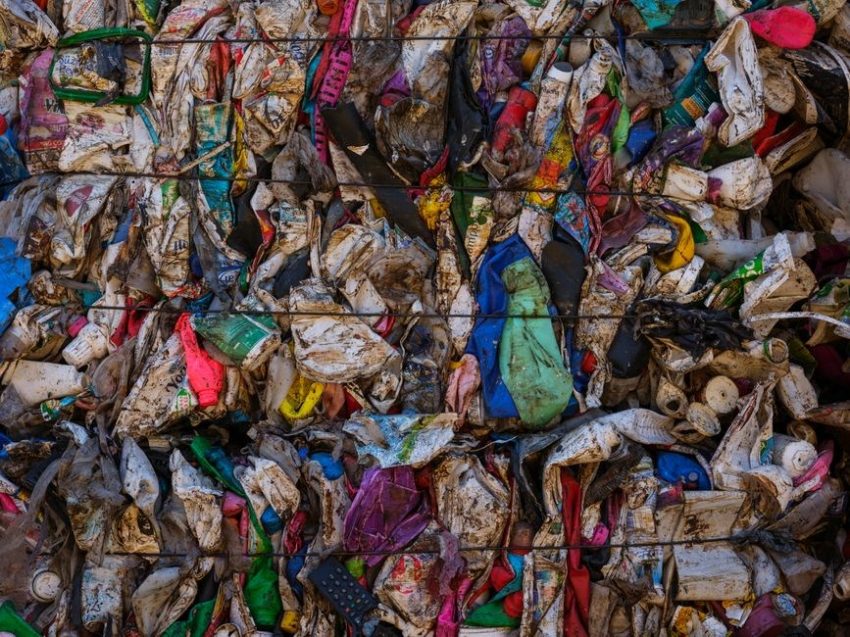
Boston Recycling Overview – Provides context on city recycling policies‚ goals‚ and the role of the Department of Public Works.
Boston’s Department of Public Works drives a 30% recycling target‚ aligning with state mandates. Policies focus on curbside 3‑bin service‚ waste diversion‚ and community outreach. DOPW coordinates collection‚ education‚ and enforcement to meet city sustainability goals. It partners nonprofits outreach!
Municipal Recycling Services – Boston’s weekly curbside pickup‚ 3‑bin system‚ and the Smart Recycling Guide for residents;
Boston’s municipal recycling program delivers weekly curbside pickup every Saturday‚ with residents sorted into three distinct bins: glass‚ paper‚ and mixed recyclables. The Department of Public Works (DPW) maintains a schedule that covers all neighborhoods‚ ensuring that each bin is collected on the same day each week. The 3‑bin system is designed to reduce contamination and streamline processing at the city’s recycling facilities. Residents are encouraged to follow the Smart Recycling Guide‚ a state‑approved reference that details acceptable items for each bin‚ such as glass bottles‚ PET plastics‚ cardboard‚ and paper products. The guide also lists prohibited items‚ including plastic bags‚ Styrofoam‚ and food‑contaminated paper. DPW offers online resources‚ a mobile app‚ and community workshops to help households correctly sort their recyclables. The program also includes special pickup days for bulky items and electronics‚ coordinated through the city’s e‑waste schedule. By adhering to the 3‑bin system and the Smart Recycling Guide‚ residents contribute to Boston’s goal of increasing recycling rates and reducing landfill waste. The program supports local recycling partners‚ ensures compliance with Massachusetts regulations‚ and promotes a circular economy that benefits both the environment and the community. DPW also provides a weekly newsletter that highlights recycling tips‚ upcoming events‚ and updates on policy changes‚ ensuring residents stay informed and engaged. Additionally‚ the city partners with local schools to run educational programs‚ encouraging students to practice proper sorting and fostering a culture of sustainability from a young age. Residents can also access a dedicated hotline for questions and report missed pickups‚ ensuring the system remains responsive and efficient. The city also offers incentives such as reduced trash fees for high‑participation households‚ further motivating residents to maintain proper sorting habits. Together‚ we thrive!!!??
Recycling Rates and Coverage – Current recycling rate of 30% in Boston‚ coverage gaps in certain neighborhoods‚ and plans to increase participation.
Boston’s current municipal recycling rate stands at roughly 30 %‚ a figure that reflects the city’s ongoing efforts to divert waste from landfills. While the overall percentage has improved over the past decade‚ significant coverage gaps remain in several neighborhoods‚ particularly in the South Boston and Dorchester areas where curbside service is limited by road access and older infrastructure. These gaps result in lower participation and higher contamination rates‚ hindering the city’s goal of a 50 % diversion target by 2030. To address these disparities‚ the Department of Public Works is rolling out a multi‑phase strategy that includes expanding curbside pickup routes‚ deploying mobile recycling units‚ and partnering with local community organizations to conduct targeted outreach. Pilot programs in underserved districts have already shown a 12 % uptick in recycling volumes after residents received personalized education kits and a dedicated hotline for sorting questions. Additionally‚ the city is investing in new sorting technology at its main transfer stations to improve efficiency and reduce the need for re‑sorting. A key component of the plan is the introduction of a “Recycling Rewards” incentive‚ offering reduced trash fees for households that consistently meet sorting guidelines. By combining infrastructure upgrades‚ community engagement‚ and financial incentives‚ Boston aims to close the coverage gap‚ increase overall participation‚ and move closer to a sustainable‚ zero‑waste future.
Moreover‚ the city’s data analytics team has identified that neighborhoods with higher socioeconomic diversity often exhibit lower recycling rates due to limited access to information and resources. In response‚ Boston is launching bilingual educational campaigns and mobile app updates that provide real‑time reminders about pickup schedules and sorting guidelines. The DPW is also collaborating with local schools to embed recycling curricula‚ ensuring that future generations are better equipped to participate. The city’s long‑term vision includes a comprehensive audit of all residential and commercial waste streams‚ with the goal of achieving a 70 % diversion rate by 2035. This ambitious target will be supported by continuous monitoring‚ community feedback loops‚ and adaptive policy adjustments that reflect changing demographics and waste patterns. Through these concerted efforts‚ Boston seeks to transform its recycling landscape‚ fostering a resilient and environmentally responsible community. Residents are encouraged to share feedback through the city portal.
Drop-off Centers and Locations – Lists primary Boston recycling drop-offs and their accepted materials.
Boston’s main drop‑off hubs—1600 Stony Brook Rd‚ 10 Faneuil St‚ and EcoCity Center—accept glass‚ plastic‚ metal‚ cardboard‚ paper‚ and select electronics. Each site offers free sorting assistance and operates weekdays 8 a.m.–6 p.m.‚ weekends 9 a.m.–4 p.m.Drop‑off centers accept appliances and batteriesplus.

Key Drop-off Facilities in Boston – 1600 Stony Brook Rd (East Boston)‚ 10 Faneuil Street (Downtown)‚ and EcoCity Center (Mattapan) serve residential and commercial recyclables.
1600 Stony Brook Rd (East Boston) is the city’s largest curbside to drop‑off hub‚ offering a 24 hour drop‑box for glass‚ PET plastics‚ aluminum cans‚ cardboard‚ paper‚ and certain electronics in the city. The drop‑box operates 24 hours daily‚ allowing residents to deposit recyclables at any time. 10 Faneuil St (Downtown) serves the dense commercial district and offers a smaller‚ but highly accessible‚ drop‑off point. It accepts glass‚ PET‚ aluminum‚ cardboard‚ paper‚ and a limited selection of electronics‚ including batteries and small appliances. The downtown location operates Monday‑Friday 8 a.m.–6 p.m. and Saturday 9 a.m.–4 p.m.‚ with a volunteer “Recycling Buddy” program that assists businesses in reducing waste. EcoCity Center (Mattapan) is a community‑focused facility that caters to both residential and commercial users. It accepts glass‚ PET‚ aluminum‚ cardboard‚ paper‚ and a broader range of electronics‚ including flat‑screen TVs and computers. The center is open Monday‑Friday 8 a.m.–6 p.m. and Saturday 9 a.m.–4 p.m.‚ and it hosts quarterly “Eco‑Workshops” on sustainable practices. All three sites provide free recycling bins‚ educational signage‚ and a “Smart Recycling Guide” labeling system to streamline sorting. Together‚ they form the backbone of Boston’s recycling network‚ ensuring residents and businesses have convenient‚ reliable access to responsible waste disposal. Residents can also bring appliances‚ mattresses‚ and furniture for pickup. The city encourages community participation through the “Recycle Boston” volunteer program‚ which partners with local schools and nonprofits to promote proper sorting and waste reduction. The drop‑off centers also offer a free recycling education workshop each month‚ covering topics such as composting‚ electronics recycling‚ and hazardous waste handling. Residents are encouraged to bring appliances‚ mattresses‚ and furniture for pickup. The city also offers a mobile app for pickups. The centers also provide free recycling bags for every resident.
Operating Hours and Accepted Materials – 8 a.m.–6 p.m. weekdays‚ 9 a.m.–4 p.m. weekends; accept glass‚ plastic‚ metal‚ cardboard‚ paper‚ and certain electronics.
Boston’s primary drop‑off facilities run on a consistent schedule: weekdays 8 a.m.–6 p.m.‚ weekends 9 a.m.–4 p.m. This timetable lets residents plan trips confidently. All centers accept glass‚ PET and HDPE plastics‚ aluminum cans‚ cardboard boxes‚ newspapers‚ white paper‚ and selected electronics such as small appliances‚ batteries‚ and certain flat‑screen devices. Bins and signage reference the Smart Recycling Guide‚ ensuring correct sorting before processing. Hazardous items—batteries and fluorescent bulbs—are accepted under the city’s hazardous waste program in designated containers. Drop‑off sites provide free recycling bags and educational pamphlets to promote proper sorting. Volunteers and staff answer questions and advise on rinsing containers‚ removing caps‚ and flattening cardboard. By following the operating hours and material guidelines‚ residents help increase Boston’s recycling rate and reduce landfill waste. The city offers a mobile app for tracking pickup schedules‚ locating the nearest drop‑off center‚ and receiving reminders about special collection days. Facilities host quarterly workshops on recycling best practices‚ teaching how to dispose of items often mistakenly placed in recycling‚ such as food‑contaminated paper or broken glass. Residents can bring large items—mattresses‚ sofas‚ appliances—for pickup‚ as curbside service can accommodate these through scheduled events. Drop‑off centers are designed with accessibility in mind‚ featuring ramps‚ wide aisles‚ and clear signage in multiple languages to serve Boston’s diverse population. By staying informed and following the Department of Public Works guidelines‚ residents play an active role in the city’s sustainability efforts‚ ensuring recyclable materials are diverted from landfills and reintroduced into the economy as valuable resources. Community volunteers assist with sorting every peak seasons‚ ensuring processing and higher recovery rates today.
What Can Be Recycled in Boston – Clarifies eligible items per Massachusetts regulations.
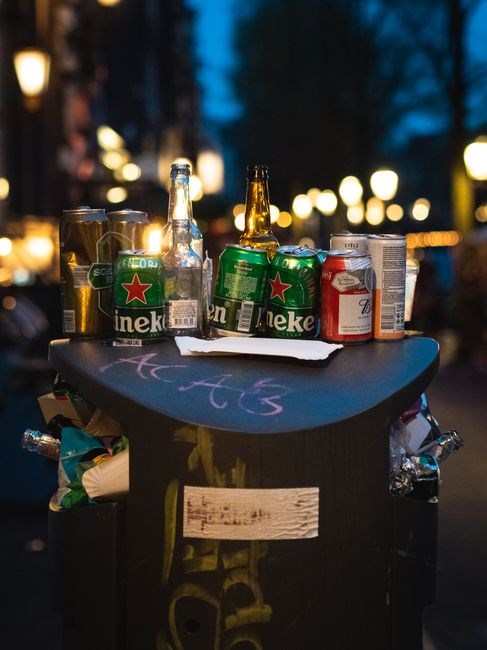
Massachusetts law allows Boston residents to recycle glass bottles‚ PET plastics (1–7)‚ aluminum cans‚ cardboard boxes‚ newspaper‚ and white paper. Items must be rinsed‚ caps removed‚ free of food. The city’s Smart Recycling Guide confirms these materials curbside pickup. All items must be dry free of residue!!!.
Common Recyclable Materials in Boston – Glass bottles‚ PET plastics (1–7)‚ aluminum cans‚ cardboard boxes‚ newspaper‚ and white paper.
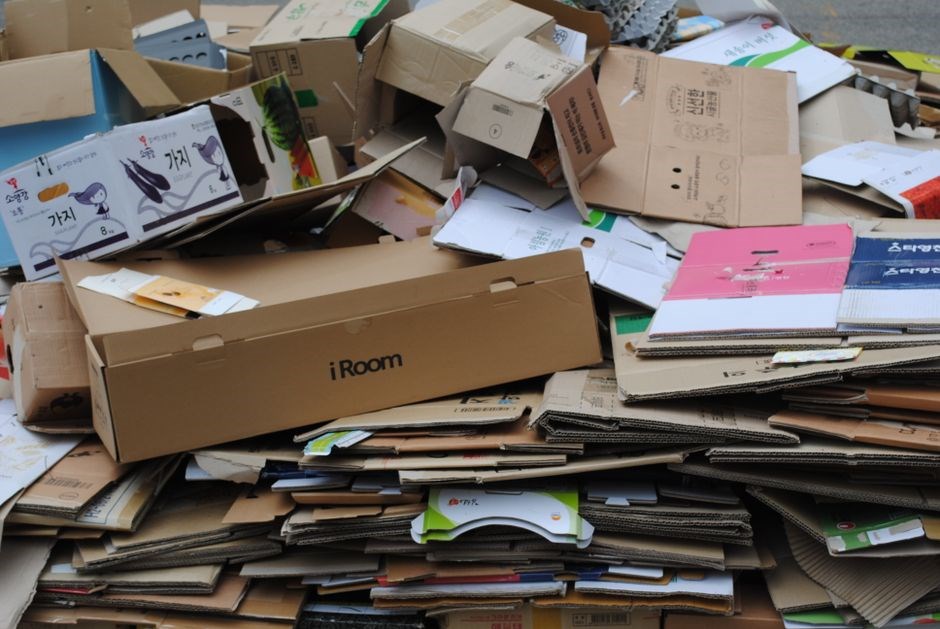
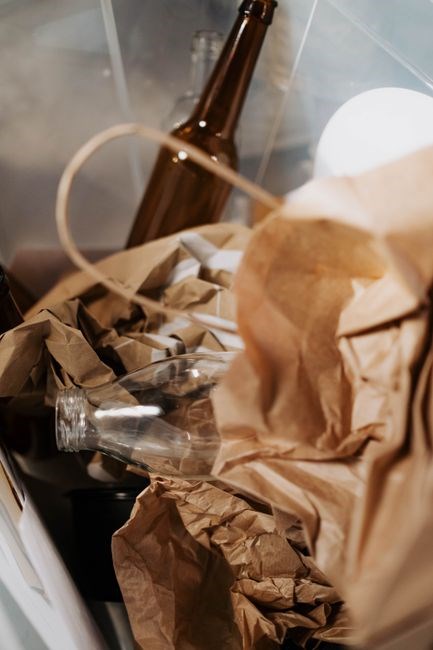
Boston’s recycling program accepts a range of everyday items. Glass bottles and jars—clear‚ green‚ or brown—must be rinsed and caps removed. PET plastic containers labeled 1–7 are accepted‚ including water bottles‚ milk jugs‚ and detergent bottles. Aluminum cans‚ both beverage and food‚ should be emptied and flattened. Cardboard boxes‚ newspaper‚ and white paper are accepted in their original form‚ but should be free of food residue and glued. All materials should be dry‚ clean‚ and free of plastic bags or Styrofoam. The city’s Smart Recycling Guide provides detailed labeling and sorting instructions to maximize recovery and reduce contamination. Residents can bring these items to curbside pickup or drop‑off centers. Proper sorting helps Boston reach its 30% recycling goal and reduces landfill waste. The program also offers a weekly curbside pickup schedule that aligns with the city’s waste management strategy. The Department of Public Works monitors compliance and provides educational outreach to encourage proper waste separation. Community engagement events‚ such as clean‑up days and recycling workshops‚ foster a culture of sustainability among residents. By following these guidelines‚ Boston residents can contribute to a cleaner environment and support the city’s long‑term environmental goals. The city also encourages the use of reusable containers and bulk purchasing to reduce packaging waste. Residents are also invited to attend the annual Boston Recycling Expo‚ where they can learn about new technologies and meet local recycling partners. This effort ensures a for all Bostonians!
Boston’s recycling program handles clean‚ dry containers and paper. Mis‑sorted items contaminate batches‚ causing costly re‑processing or landfill diversion. Below is a concise guide to common mis‑sorted items residents should avoid in curbside or drop‑off bins.
- Food‑contaminated paper: Newspapers‚ office paper‚ and cardboard soaked with grease‚ food residue or liquids should be discarded in the trash. Even a small amount of contamination can spoil a whole load of paper‚ causing it to be rejected by recycling for all cases!!!
- Plastic bags and film: Grocery bags‚ plastic wrap are not accepted in Boston’s curbside program. They can jam sorters and damage machinery. Reusable bags are encouraged; plastic film should be recycled at a designated drop‑off center that accepts plastics.
- Styrofoam (expanded polystyrene): This material is not accepted in curbside or drop‑off centers because it does not break down in the recycling stream. It should be placed in the trash unless a community event or specialized program accepts it.
- Broken glass: Shattered bottles‚ broken jars‚ or glass fragments are hazardous and can damage. They must be placed in the trash or‚ if intact‚ in a sealed container for safe disposal.
- Mixed or contaminated items: Items that combine multiple materials—like a plastic bottle with a cardboard cap—should be sorted into bin. Mixing materials can lead to contamination and lower recycled stream.
Specialized Recycling Programs – Highlights niche programs for electronics‚ hazardous waste‚ and large refuse.
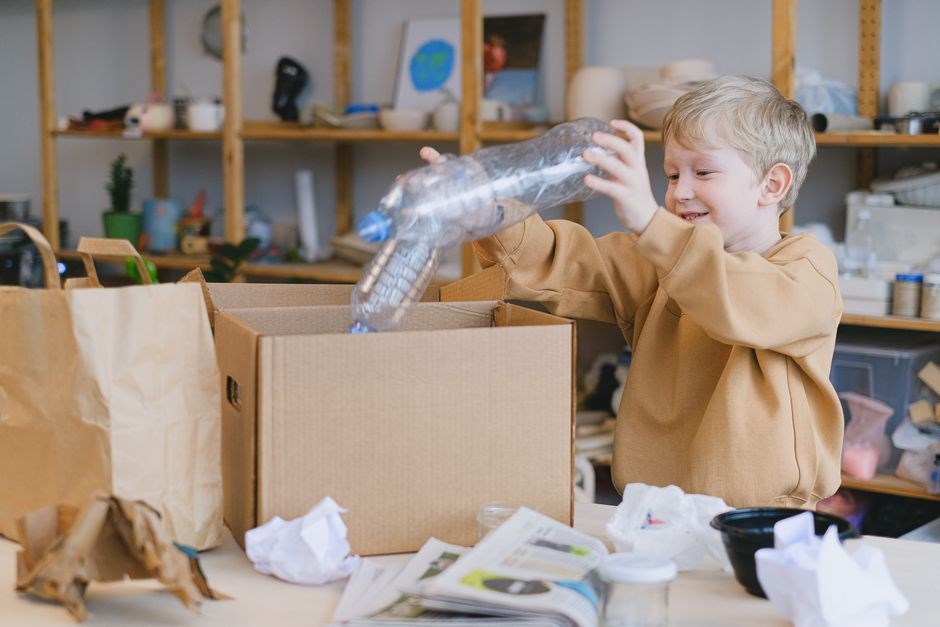
Boston offers specialized programs: monthly e‑waste drop‑offs‚ hazardous waste collection for batteries‚ paint‚ and bulbs‚ plus large‑item pickups for furniture and appliances. Residents can schedule pickups via the city portal or visit designated centers for safe disposal; All programs meet state standard
Electronic and Appliance Recycling – Boston’s electronics drop‑off days‚ certified e‑recycling vendors‚ and the MA e‑waste program.
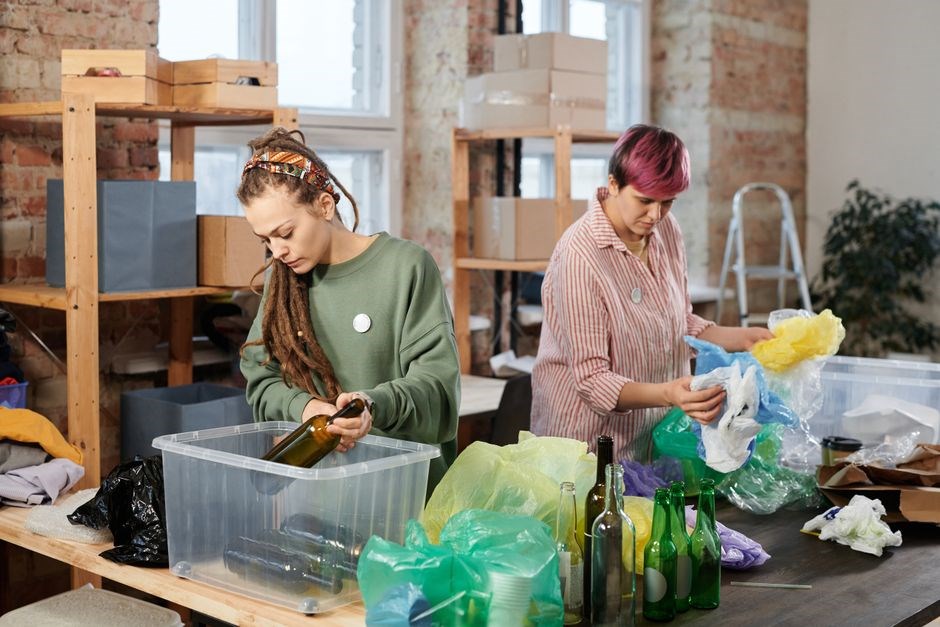
Boston’s Department of Public Works partners with certified e‑recycling vendors to provide residents with convenient‚ secure disposal of obsolete electronics. The city schedules monthly drop‑off days at designated centers: 1st and 3rd Saturdays of each month‚ 9 a.m.–4 p.m.‚ at the East Boston Recycling Hub‚ 10 Faneuil Street‚ and the EcoCity Center in Mattapan. Residents may bring items such as cell phones‚ laptops‚ printers‚ monitors‚ and small appliances. All items are inspected for data security; personal data is wiped in accordance with state regulations before materials are sorted. The Massachusetts e‑waste program mandates that all hazardous components—batteries‚ capacitors‚ and circuit boards—be handled by licensed vendors. Boston’s e‑recycling partners‚ including GreenTech Solutions and Recycle Boston‚ are accredited by the Massachusetts Department of Environmental Protection. They provide detailed labeling and tracking‚ ensuring that 95 % of collected electronics are diverted from landfills. Residents can schedule a pickup by logging into the city’s online portal or calling the 311 hotline. The program also offers educational workshops on proper device disposal‚ data protection‚ and the environmental benefits of recycling. By participating‚ residents help reduce toxic emissions‚ recover valuable metals‚ and support a circular economy within the Greater Boston area.
Certified vendors follow NAER guidelines‚ ensuring recovered metals—aluminum‚ copper‚ gold—are sold to manufacturers. Boston offers a “Take‑Back” incentive: residents receive a $5 credit toward future recycling fees for each qualifying device‚ boosting participation toward a 50 % diversion goal by 2030. The program also hosts “Tech Clean‑Up” days with schools‚ teaching students about electronics life cycles and safe disposal‚ fostering stewardship and hands‑on learning. Participants receive badge.
Hazardous Waste and Batteries – Monthly hazardous waste collection‚ lead‑based paint‚ household batteries‚ and fluorescent bulbs handled at designated centers.
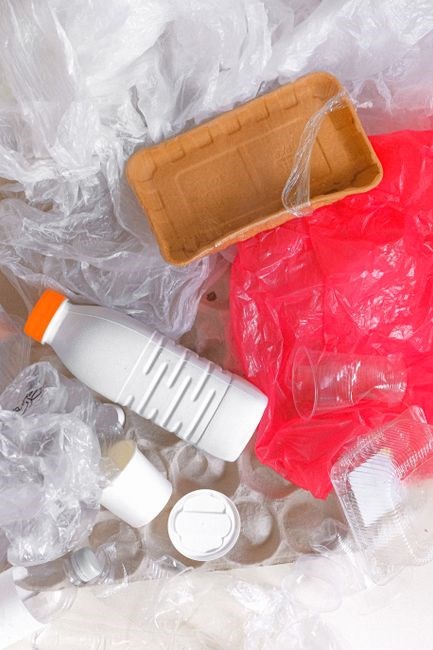
Boston’s hazardous‑waste program operates on a monthly schedule‚ with collection days set for the 2nd and 4th Wednesdays of each month. Residents bring lead‑based paint‚ household batteries‚ fluorescent bulbs‚ and other regulated materials to the city’s designated drop‑off sites: the East Boston Recycling Hub‚ 10 Faneuil Street‚ and the EcoCity Center in Mattapan. Each site is staffed by trained personnel who verify that items meet Massachusetts hazardous‑waste criteria. Lead paint is sealed in double‑lined containers and transported to a licensed treatment facility where it is rendered non‑hazardous before disposal. Fluorescent bulbs are collected and processed to recover mercury‚ sent to a certified recycler.! The program follows the Massachusetts Department of Environmental Protection’s e‑waste guidelines‚ ensuring that all recovered metals—copper‚ aluminum‚ and gold—are sold to manufacturers‚ while hazardous components are destroyed or recycled in compliance with federal and state laws. Residents receive a receipt and a recycling credit for each qualified item‚ encouraging continued participation; The city also offers a free “Hazardous‑Waste Drop‑Off” event every quarter‚ during which volunteers assist with sorting and provide educational materials on safe disposal practices. By maintaining strict collection protocols and partnering with certified vendors‚ Boston reduces landfill burden‚ protects public health‚ and supports a circular economy for hazardous materials; All procedures meet norms.!!

Recycling Tips and Best Practices – Offers actionable guidance for residents and businesses.
Follow the Smart Recycling Guide: rinse bottles‚ remove caps‚ flatten cardboard‚ bag plastic bags separately. Label bins with city stickers. Pick up curbside on correct day. clean‑up events to boost recycling.
Sorting and Preparation Guidelines – Rinse containers‚ remove caps‚ flatten cardboard‚ and use the Smart Recycling Guide labels.
Boston’s 3‑bin curbside program relies on precise sorting to keep the city’s 30% recycling goal on track. Begin by rinsing all glass‚ plastic‚ and metal containers to eliminate food residue that can attract pests and contaminate the stream. Remove caps‚ lids‚ and any plastic or foil liners‚ placing them in the separate “plastic” bin. Flatten cardboard boxes and newspaper to save space and reduce the risk of tearing during transport. Use the official Smart Recycling Guide labels—green for paper‚ blue for glass‚ yellow for plastic‚ and gray for metal—to mark each bin; this visual cue helps residents quickly identify the correct container and reduces mis‑sorting. For large items‚ check the city’s drop‑off schedule and bring them to the nearest designated center. Keep electronics‚ batteries‚ and hazardous materials out of the curbside bins; instead‚ schedule a monthly hazardous waste pickup or drop them at a certified e‑recycling vendor. Finally‚ stay updated on any changes to the city’s recycling codes by visiting the Department of Public Works website or downloading the official mobile app‚ which provides real‑time alerts and instructional videos. Remember to double‑check the city’s recycling schedule posted online for every update now! Consistent adherence to these steps ensures that recyclable materials are processed efficiently‚ supports Boston’s sustainability targets‚ and keeps neighborhoods clean and green.
Community Events and Volunteer Opportunities – Local clean‑up days‚ “Recycle Boston” events‚ and volunteer programs at city recycling centers.
Boston’s community‑driven recycling culture thrives on city‑sponsored events and grassroots volunteer programs that keep neighborhoods clean and residents engaged. Every spring‚ the Department of Public Works partners with local nonprofits to host the “Boston Clean‑Up Day‚” a city‑wide volunteer event that draws hundreds of participants to pick up litter from parks‚ streets‚ and waterfronts. Volunteers can sign up through the city’s online portal‚ where they receive a schedule of upcoming events‚ a map of drop‑off locations‚ and a volunteer pledge. By participating in these events‚ residents not only help reduce landfill waste but also strengthen community bonds and learn valuable skills that promote sustainability in everyday life. The city also offers quarterly “Recycle Boston” workshops that teach residents how to sort recyclables correctly and explain the latest changes to recycling codes‚ ensuring that every item goes to the right bin. Participants can earn a “Recycle Boston” badge displayed on their personal website or social media‚ encouraging others to join. The city’s online portal provides a map of drop‑off locations and a volunteer pledge to streamline participation
Neighborhood groups also run monthly “Green Thumbs” clean‑up nights‚ and the Boston Public Library hosts “Recycling Storytime” for kids‚ reinforcing the city’s commitment to a zero‑waste future.
For impact‚ the city offers a “Volunteer Recycling Champion” program‚ where participants mentor‚ lead clean‑ups‚ serve as liaisons between residents and Department of Public Works‚ earning recognition at Green Gala. Soon.